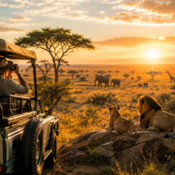
Kenya Safari Checklist (2026): Complete Packing & Travel Guide- Probe Africa Safaris
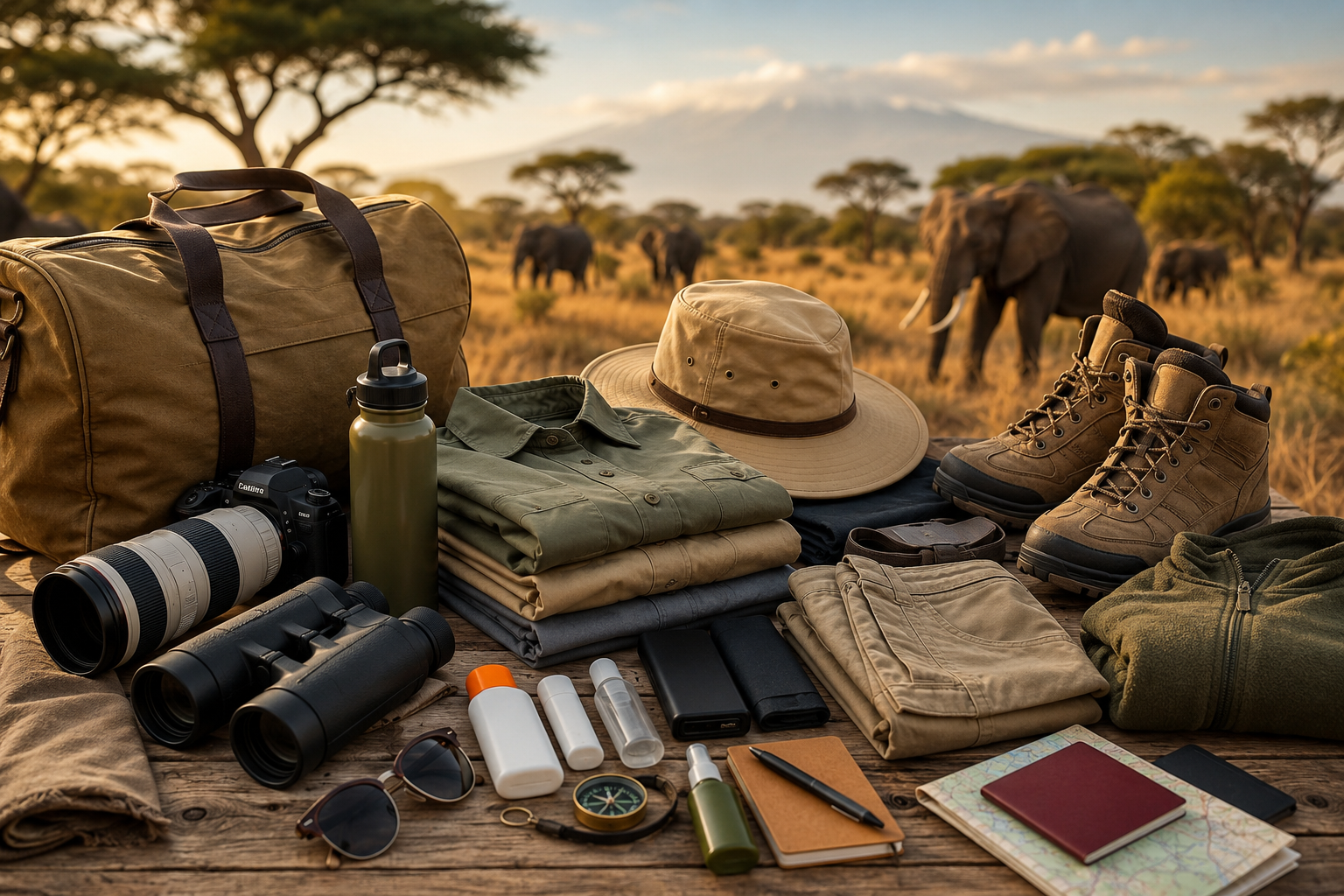
Kenya Safari Checklist (2026): Complete Packing & Travel Guide- Probe Africa Safaris
Kenya Safari Checklist (2026): Everything You Need Before Your Adventure
Preparing for your first safari is exciting, but knowing exactly what to pack can make the difference between a stress-free adventure and an uncomfortable journey. Whether you’re visiting the legendary Masai Mara National Reserve, photographing elephants beneath Mount Kilimanjaro in Amboseli National Park, or exploring the beautiful landscapes of Lake Nakuru National Park, having the right equipment and travel essentials ensures you enjoy every moment of your safari. This comprehensive Kenya Safari Checklist has been created to help you prepare with confidence. You’ll discover exactly what to pack, what to leave behind, the best clothing for game drives, essential travel documents, health items, camera gear, luggage recommendations, and expert safari tips used by experienced travelers. Whether you’re traveling as a couple, family, solo explorer, photographer, or first-time safari guest, this guide will help you arrive fully prepared for one of Africa’s greatest wildlife adventures.
What should you pack for a Kenya safari?
Your Kenya safari checklist should include lightweight neutral-colored clothing, comfortable walking shoes, a warm fleece for early morning game drives, a wide-brim hat, sunglasses, sunscreen, insect repellent, binoculars, a camera, travel documents, travel insurance, prescription medication, and a reusable water bottle. Packing light using a soft-sided duffel bag is recommended, especially if your safari includes domestic flights.
Kenya Safari Checklist at a Glance
Kenya
January–March
June–October
Soft Duffel Bag
Passport & Kenya eTA
Quick Kenya Safari Checklist
Travel Documents
- Passport
- Kenya eTA
- Travel Insurance
- Flight Tickets
- Safari Confirmation
- Emergency Contacts
Clothing
- Neutral Shirts
- Safari Trousers
- Light Jacket
- Hat
- Socks
- Comfortable Shoes
Safari Gear
- Camera
- Binoculars
- Power Bank
- Memory Cards
- Reusable Water Bottle
- Day Backpack
Health Essentials
- Sunscreen
- Insect Repellent
- Prescription Medicine
- Hand Sanitizer
- Basic First Aid Kit
- Wet Wipes
Travel Documents You’ll Need
Before packing clothing or safari gear, make sure your travel documents are ready well in advance of your departure. Missing documentation can delay or even prevent your trip, so it’s worth checking everything carefully before you travel.
Your passport should remain valid for at least six months beyond your planned arrival date and should have sufficient blank pages for immigration stamps. Most international visitors also need to obtain a Kenya Electronic Travel Authorization (eTA) before arrival, so be sure to complete your application early and keep both printed and digital copies with you.
You should also carry your flight itinerary, safari booking confirmation, accommodation details, travel insurance certificate, emergency contact information, and copies of important identification documents. Saving digital backups on your phone or cloud storage provides extra peace of mind in case any originals are misplaced.
Choosing the Right Safari Clothing
The clothing you pack plays an important role in your overall safari experience. Kenya’s weather can vary throughout the day, with cool mornings, warm afternoons, and chilly evenings depending on the season and destination.
Choose lightweight, breathable clothing made from moisture-wicking fabrics that will keep you comfortable during long game drives. Neutral colours such as khaki, beige, olive green, brown, and light grey are highly recommended because they blend naturally with the environment and are less likely to attract insects.
Avoid bright colours like red, orange, neon green, or fluorescent yellow, as these can disturb wildlife and make you more noticeable during game drives. Dark blue and black clothing may also attract tsetse flies in some parts of East Africa, making lighter neutral shades a better option.
Your Recommended Clothing Checklist
- 4–5 lightweight safari shirts
- 3–4 pairs of safari trousers
- Comfortable shorts for relaxing at the lodge
- Lightweight fleece or jumper
- Waterproof rain jacket
- Wide-brim safari hat
- Comfortable sleepwear
- Undergarments
- Several pairs of breathable socks
- Swimwear for lodges with swimming pools
Choosing the Right Footwear
Unlike mountain trekking holidays, most Kenya safaris involve very little walking. The majority of wildlife viewing takes place from specially designed 4×4 safari vehicles, meaning comfort is more important than heavy-duty hiking equipment.
Comfortable walking shoes or lightweight trainers are perfect for moving around safari lodges, visiting viewpoints, and optional nature walks. Sandals can also be useful for relaxing during the evenings after long game drives.
If your itinerary includes guided bush walks or hiking activities, your tour operator will let you know in advance if sturdier walking shoes are recommended.
- Comfortable walking shoes
- Lightweight trainers
- Sandals
- Extra socks
Essential Safari Gear You Shouldn’t Leave Behind
The right safari gear can transform your experience from enjoyable to unforgettable. While Kenya’s wildlife is spectacular, many of the best sightings happen at a distance, making quality equipment an important part of your adventure. Whether you’re hoping to photograph a leopard resting in a tree or watch elephants crossing the Amboseli plains beneath Mount Kilimanjaro, having the proper gear allows you to appreciate every moment.
Fortunately, you don’t need expensive professional equipment to enjoy your safari. A few carefully chosen items will significantly improve your comfort, convenience, and overall experience during game drives.
Safari Equipment Checklist
- Camera with fully charged batteries
- Extra memory cards
- Binoculars (8×42 or 10×42 recommended)
- Power bank
- Phone charging cable
- Camera charger
- Lens cleaning cloth
- Small flashlight or headlamp
- Reusable water bottle
- Lightweight day backpack
Photography Tips for Your Kenya Safari
Kenya offers some of Africa’s most spectacular photography opportunities. From golden sunrises over the Masai Mara to elephants silhouetted against Mount Kilimanjaro, every day presents incredible scenes worth capturing.
Early morning and late afternoon game drives provide the best natural lighting. These periods, often called the “golden hours,” create softer light, richer colours, and beautiful shadows that make wildlife photographs more dramatic.
If you’re using a smartphone, don’t worry. Modern smartphones can capture excellent safari memories, especially when combined with patience and good lighting. If you’re bringing a DSLR or mirrorless camera, a zoom lens between 200mm and 400mm offers excellent flexibility for photographing wildlife from a safe distance.
Photography Essentials
- Keep spare batteries fully charged.
- Carry multiple memory cards.
- Clean your lens regularly to remove dust.
- Avoid using flash around wildlife.
- Respect animals by maintaining a safe distance.
- Take time to enjoy the moment instead of only looking through your camera.
Health & Medical Essentials
Preparing for your health before traveling is just as important as packing the right clothing. Although Kenya is one of Africa’s most popular safari destinations, carrying a small travel medical kit ensures you’re ready for minor illnesses or unexpected situations.
If you take prescription medication, pack enough for your entire trip and keep it in its original packaging. It’s also wise to carry a copy of your prescription, particularly if you’re traveling internationally.
Health Checklist
- Prescription medication
- Personal first-aid kit
- Pain relievers
- Anti-diarrheal medication
- Motion sickness tablets
- Insect repellent
- Sunscreen (SPF 30 or higher)
- Lip balm with SPF protection
- Hand sanitizer
- Wet wipes
- Reusable face masks (optional)
Electronics to Bring on Safari
Although a safari is the perfect opportunity to disconnect from everyday life, a few electronic essentials can make your journey much more comfortable. Many safari lodges provide charging facilities, but power availability may be limited during certain hours, particularly in remote camps.
Electronics Checklist
- Mobile phone
- Power bank
- Universal travel adapter
- Charging cables
- Camera charger
- Smartwatch charger (if needed)
- Portable hard drive (optional)
- Travel extension cable (optional)
Downloading offline maps, travel documents, and entertainment before leaving home can also be helpful, especially during long road transfers between national parks.
Choosing the Best Luggage for a Kenya Safari
One of the most common mistakes travelers make is bringing oversized hard-shell suitcases. While these work well for city vacations, they are not ideal for safari travel.
Most safari operators recommend soft-sided duffel bags because they are easier to load into safari vehicles and are often required for domestic bush flights due to luggage restrictions.
Recommended Luggage
- Soft-sided duffel bag
- Small daypack
- Packing cubes for organization
- Waterproof dry bag for electronics
- Small laundry bag
What Not to Pack for a Kenya Safari
Packing smart is just as important as knowing what to bring. Many first-time safari travelers tend to overpack or include items that add unnecessary weight without improving their experience. Since you’ll spend much of your time enjoying game drives and relaxing at your safari lodge, it’s best to travel light and focus on practical essentials.
Leaving unnecessary items at home makes moving between destinations easier and ensures you have enough space for souvenirs and local crafts you may purchase during your trip.
Avoid Packing These Items
- Large hard-shell suitcases
- Bright neon clothing
- Camouflage clothing (restricted in many African countries)
- Heavy winter coats
- High-heeled shoes
- Expensive jewellery
- Hair dryers (most lodges provide them)
- Excessive toiletries
- Large perfume bottles
- Too many clothing changes
Seasonal Packing Guide
Kenya offers fantastic safari experiences throughout the year, but weather conditions vary depending on the season. Packing appropriately ensures you remain comfortable during early morning game drives, warm afternoons, and cooler evenings.
Dry Season (June – October)
- Lightweight safari clothing
- Warm fleece for early mornings
- Sunscreen
- Hat and sunglasses
- Comfortable walking shoes
- Dust protection for camera equipment
Green Season (November – May)
- Light rain jacket
- Quick-drying clothing
- Waterproof bag covers
- Extra socks
- Light sweater for cool evenings
- Waterproof footwear if desired
Regardless of when you travel, dressing in layers remains the best strategy. Temperatures often change significantly between sunrise and afternoon game drives.
Family Safari Packing Tips
Traveling with children requires a little extra planning, but a Kenya safari is one of the most rewarding family adventures you can experience. Bringing familiar comforts and practical supplies helps younger travelers stay comfortable throughout the journey.
Family Essentials
- Children’s medications
- Healthy snacks
- Refillable water bottles
- Books and travel games
- Lightweight blankets
- Small binoculars for children
- Baby wipes
- Extra clothing for younger travelers
- Portable entertainment devices for long drives
Many family-friendly safari lodges provide children’s activities, family suites, and flexible meal options, making Kenya an excellent destination for travelers of all ages.
Luxury vs Budget Safari Packing
No matter your travel budget, the essential items remain largely the same. The main difference lies in the level of comfort and optional accessories you may wish to bring.
| Budget Safari | Luxury Safari |
|---|---|
| Compact duffel bag | Premium soft luggage |
| Basic binoculars | High-quality binoculars |
| Smartphone camera | Professional camera equipment |
| Portable power bank | Multiple backup batteries |
| Standard travel accessories | Additional photography accessories |
Final Pre-Departure Checklist
Before leaving for the airport, take a few moments to confirm that everything is ready for your adventure.
- ✔ Passport packed
- ✔ Kenya eTA approved
- ✔ Flight tickets downloaded
- ✔ Safari booking confirmation printed or saved
- ✔ Travel insurance documents
- ✔ Camera batteries fully charged
- ✔ Memory cards packed
- ✔ Binoculars packed
- ✔ Prescription medication packed
- ✔ Phone and chargers packed
- ✔ Cash and bank cards available
- ✔ Emergency contacts saved
- ✔ Luggage weighed before departure
Final Thoughts
Preparing for your safari doesn’t have to be complicated. With this complete Kenya Safari Checklist, you’ll arrive confident, organized, and ready to experience one of Africa’s most extraordinary destinations. From the wildlife-rich plains of the Masai Mara to the elephant herds of Amboseli National Park and the breathtaking scenery of Lake Nakuru National Park, being well-prepared allows you to focus on what truly matters—enjoying every unforgettable moment.
Whether you’re embarking on your first safari or returning to Kenya for another adventure, thoughtful preparation ensures a smoother journey and a more rewarding wildlife experience.
Ready to Experience Kenya?
At Probe Africa Safaris, we specialize in creating unforgettable safari experiences tailored to your interests, budget, and travel style. From planning your itinerary to selecting the perfect accommodation and guiding you through Kenya’s most iconic national parks, our experienced team is here to make your dream safari a reality.
Contact Probe Africa Safaris today and let us help you plan the perfect Kenya safari adventure. We can’t wait to welcome you to East Africa.
Frequently Asked Questions About the Kenya Safari Checklist
If you’re planning your first safari, it’s completely normal to have questions about what to pack, what to wear, and how to prepare. Below are answers to some of the most common questions travelers ask before visiting Kenya.
What should I pack for a Kenya safari?
Pack lightweight neutral-colored clothing, comfortable walking shoes, a warm fleece or light jacket for early morning game drives, sunglasses, a wide-brim hat, sunscreen, insect repellent, binoculars, a camera, travel documents, travel insurance, personal medication, and a reusable water bottle. Packing practical, lightweight items will help you stay comfortable throughout your safari.
What colours should I wear on safari?
The best colours for a Kenya safari are khaki, beige, olive green, brown, and light grey. These neutral shades blend naturally with the environment and are less likely to attract insects. Avoid bright colours and camouflage clothing, as camouflage is restricted for civilians in Kenya.
Can I wear shorts on safari?
Yes. Shorts are suitable for relaxing at your safari lodge or during the hottest parts of the day. However, lightweight trousers are recommended for most game drives because they provide better protection from the sun, dust, and insects.
Do I need hiking boots for a Kenya safari?
No. Most traditional safaris involve very little walking, so comfortable trainers or lightweight walking shoes are usually sufficient. If your itinerary includes guided bush walks or hiking excursions, your safari operator will advise you beforehand.
What type of luggage is best?
A soft-sided duffel bag is highly recommended because it is easier to transport in safari vehicles and is often required for domestic bush flights. Many airlines operating within Kenya have luggage restrictions, making soft bags the most practical option.
Do I need binoculars?
Yes. Binoculars greatly enhance your safari experience by allowing you to observe wildlife from a safe distance. They’re especially useful for spotting birds, predators resting in the shade, and animals that may be far from the safari vehicle.
Should I bring cash?
Yes. Although many lodges accept major credit cards, carrying a small amount of cash in Kenyan Shillings or US Dollars is useful for tipping guides, purchasing souvenirs, and making small local purchases.
Is travel insurance necessary?
Absolutely. Comprehensive travel insurance is strongly recommended. It should cover medical emergencies, trip cancellations, lost baggage, and emergency evacuation for complete peace of mind during your safari.
Can I charge my phone and camera during safari?
Most safari lodges and camps provide electricity and charging facilities, although some remote camps may operate on solar power with limited charging hours. Carrying a power bank is always a good backup.
How far in advance should I prepare?
Begin preparing at least four to six weeks before departure. This gives you enough time to organize travel documents, obtain your Kenya eTA, purchase travel insurance, arrange any recommended vaccinations, and gather everything on your safari checklist.
Start Your Kenya Safari Adventure with Confidence
Now that you know exactly what to pack, you’re one step closer to experiencing the adventure of a lifetime. A well-prepared traveler enjoys every game drive, every sunrise, and every unforgettable wildlife encounter without worrying about forgotten essentials.
Whether you’re exploring the legendary Masai Mara National Reserve, photographing elephants beneath Mount Kilimanjaro in Amboseli National Park, or discovering the incredible wildlife of Lake Nakuru National Park, having the right clothing, equipment, and travel documents allows you to focus on creating lifelong memories.
At Probe Africa Safaris, we’re passionate about helping travelers experience the very best of Kenya. From expertly planned itineraries and comfortable safari vehicles to carefully selected accommodations and experienced local guides, we take care of every detail so you can enjoy a seamless and unforgettable safari.
Contact Probe Africa Safaris today to book your tailor-made Kenya safari. We’ll help you choose the perfect itinerary, prepare for your journey, and experience Kenya’s spectacular wildlife with confidence.
Explore More Kenya & Tanzania Safari Guides
Continue planning your East African adventure with our expert safari guides, travel tips, visa information, itineraries, wildlife destinations, and budget advice.

All Categories
Recent Posts
Kenya Safari Checklist (2026): Complete Packing & Travel Guide- Probe Africa Safaris

Kenya Safari Itinerary (7 Days): The Ultimate One-Week Safari Adventure-Probe Africa Safaris