I will never forget the first time I laid eyes on the Serengeti. I was standing on a rocky ridge overlooking an ocean of grass that seemed to swallow the horizon whole. A herd of elephants moved silently through the valley below, their gray shapes ghostlike in the golden light. I remember thinking that some places are not meant to be described. They are meant to be felt. The Serengeti is one of those places.
This park is the beating heart of Tanzania safari experiences. The Great Migration reaches its most dramatic peaks here. The Big Five roam freely across vast, unfenced landscapes. The African safari dream that you have seen in documentaries and magazines comes alive in this one remarkable place.
In this complete Serengeti Safari Guide for 2026, I will share everything I have learned from years of exploring these plains. We will talk about Serengeti wildlife, the Great Migration, Serengeti safari costs, the best time to visit, where to stay, how many days you need, and so much more. By the end, you will have all the tools you need to plan your own Serengeti adventure.
Consider me your personal guide. I have wandered this ecosystem more times than I can count, and I am excited to pass along everything I have discovered. This Serengeti travel guide answers every question you might have about your safari in Serengeti.

Why Visit the Serengeti
The Serengeti National Park is Tanzania’s most famous safari destination and one of the most iconic wildlife areas on earth. For good reason. It offers a Serengeti wildlife safari experience that is simply unmatched.
First, the scale is breathtaking. The Serengeti ecosystem covers nearly 30,000 square kilometers, making it one of the largest protected areas in Africa. This vastness means wildlife has room to roam and you have room to explore without feeling crowded.
Second, the animal density is extraordinary. The Serengeti supports over two million herbivores along with the highest concentration of large predators in Africa. You rarely drive for more than a few minutes without spotting something remarkable. The Serengeti game viewing is world class.
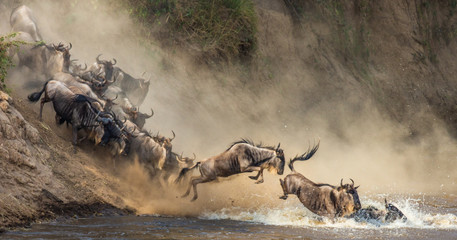
Third, the Great Migration happens here. This is the largest overland animal movement on earth. More than 1.5 million wildebeest, along with hundreds of thousands of zebras and gazelles, circle the Serengeti ecosystem year after year. Witnessing a river crossing is one of the most dramatic wildlife spectacles anywhere on the planet.
Fourth, the Serengeti safari tours infrastructure is excellent. You will find Serengeti accommodation for every budget, from mobile camps to luxury lodges. Professional guides know the park intimately. The infrastructure makes planning your Serengeti safari packages straightforward.
Many travelers ask me whether the Serengeti is worth visiting. The answer is absolutely yes. Even without the migration, the resident animals make the park world class. With the migration, it becomes truly unforgettable.
What is Serengeti National Park
For those asking what is Serengeti National Park, let me explain. Serengeti National Park is a UNESCO World Heritage Site located in northern Tanzania. The name comes from the Maasai word meaning endless plains, and that description is perfect.
The park was established in 1951 and has since become one of Africa’s most celebrated wildlife destinations. It forms the core of the larger Serengeti ecosystem, which also includes the Ngorongoro Conservation Area, Maswa Game Reserve, and several other protected areas.
There are no fences between the Serengeti and surrounding conservation areas, allowing wildlife to move freely across the landscape. This freedom of movement is essential for the Great Migration.
Why Visit Serengeti
There are countless reasons why visit Serengeti should be on your bucket list. The wildlife viewing is exceptional year round. The landscape is stunning, ranging from open grasslands to acacia woodlands to riverine forests. The Great Migration is a natural wonder that has to be seen to be believed.
For first time safari travelers, the Serengeti offers the quintessential African safari experience. The game drives are productive, the lodges are comfortable, and the guides are experienced. You will leave with memories that last a lifetime.
For those wondering how to plan a Serengeti safari, this guide will walk you through every step. Whether you are looking for luxury Serengeti safari experiences or affordable options, the Serengeti delivers.Where is Serengeti National Park
Serengeti National Park is located in northern Tanzania, bordering Kenya to the north where it connects seamlessly with the Masai Mara National Reserve. Together, these two protected areas form the Serengeti ecosystem, one of the largest and most important wildlife habitats on earth.
The park covers approximately 14,750 square kilometers. To put that in perspective, it is roughly the size of Connecticut or Northern Ireland. The park is divided into several distinct regions. The southern plains are open grasslands ideal for calving season. The western corridor follows the Grumeti River. The central Serengeti, known as Seronera, offers year round wildlife viewing. The northern Serengeti extends to the Mara River and the Kenyan border.
Getting to the Serengeti is straightforward. Most travelers fly into Kilimanjaro International Airport or Arusha Airport. From there, you have two options. You can take a domestic flight to one of several airstrips in the park, which takes about one hour. Alternatively, you can drive from Arusha. The drive takes approximately six to eight hours depending on road conditions and your final destination within the park.
I usually recommend flying for travelers with limited time. The views from the small plane are spectacular, and you save valuable safari hours. For those on a tighter budget or who enjoy road trips, the drive passes through beautiful landscapes including the Ngorongoro Conservation Area.
Wildlife You Can See in the Serengeti
The animals in Serengeti are the main reason you are reading this guide. Let me tell you exactly what you can expect to see during your Serengeti wildlife safari. Serengeti game viewing is among the best in the world, and Serengeti predator sightings are legendary.
The Big Five Serengeti
The Big Five Serengeti offers are among the most sought after sightings on any African safari. The Serengeti delivers on all five.
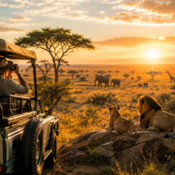
Lions are abundant throughout the Serengeti. The park supports one of the highest lion densities in Africa. You will see them resting under acacia trees, hunting on the open plains, or raising cubs on rocky kopjes. The Seronera region is particularly famous for its lion prides. Serengeti predator sightings of lions are almost guaranteed.
Leopards are more elusive, but the Serengeti has a healthy population. The riverine areas and rocky kopjes provide perfect habitat. The Seronera area is known for reliable leopard sightings. A good guide knows where to look. When you do spot a leopard draped over a tree branch with an impala carcass, you will understand why they are so prized.
Elephants are widespread throughout the park, though they are more common in the northern and western areas. Large herds move through the woodlands and riverine forests. Watching a matriarch lead her family to water is a special moment.
Buffaloes are everywhere. Large herds graze across the plains. Be careful, though. Buffaloes are among the most dangerous animals in Africa. They look calm, but they can be aggressive if threatened.
Rhinos are the most difficult of the Big Five to see in the Serengeti. The park has both black and white rhinos, but they are rare and generally confined to remote areas with special protection. Your best chance is in the Moru Kopjes area, where a small population has been reintroduced. That said, dedicated travelers with expert guides do see rhinos.
Predators Beyond the Big Five
The Serengeti is predator paradise. Beyond lions and leopards, you have excellent chances of seeing cheetahs. The open grasslands of the Serengeti are perfect cheetah habitat. These sleek hunters use termite mounds as vantage points to scan for prey. Seeing a cheetah sprint across the plains is a highlight of any safari. Serengeti predator sightings of cheetahs are common in the eastern and southern plains.
Spotted hyenas are common and fascinating. They live in large clans and are highly intelligent. You might see them hunting, resting at their dens, or interacting with other predators. Despite their reputation, they are remarkable animals.
Jackals and bat eared foxes are smaller predators that add variety. African wild dogs are less common but occasionally seen, especially in the northern and western areas. A wild dog sighting is considered very lucky.
Herbivores and Other Animals in Serengeti
The Serengeti supports an incredible diversity of herbivores. You will see vast herds of wildebeest and zebras, especially during the migration. Giraffes browse on acacia trees across the park. Both Masai giraffes and reticulated giraffes can be seen.
Thomson’s and Grant’s gazelles graze on the short grass plains. Topi and hartebeest are also common. Impalas are everywhere, often serving as the primary prey for lions and leopards.
Hippos crowd into the Grumeti River, Mara River, and other water sources. You can watch them from safe viewing points. Crocodiles sunbathe on riverbanks, waiting for unsuspecting wildebeest during the migration.
Birdlife in the Serengeti
Even if you are not a dedicated birder, the birdlife in the Serengeti will impress you. Over 500 bird species have been recorded in the park.
Secretary birds stalk through the grasslands, hunting snakes and small mammals. Lilac breasted rollers perch on branches, flashing their stunning purple and turquoise feathers. Crowned cranes dance in pairs. Ostriches, the world’s largest birds, roam the plains.
Kori bustards, the heaviest flying birds, walk slowly through the grass. Martial eagles soar overhead. Vultures circle above kills, waiting for their turn.
A good Serengeti travel guide will help you appreciate the birds as much as the mammals. Even non birders find themselves reaching for binoculars. Wildlife photography Tanzania is a dream for bird lovers and big cat enthusiasts alike.
The Great Migration in the Serengeti
The Great Migration Serengeti is famous for is the single biggest reason many travelers visit the park. Let me explain what the wildebeest migration Tanzania experience entails, when it happens, and how to see it.
Understanding the Serengeti Migration
The Great Migration is a year round movement of animals across the Serengeti ecosystem. More than 1.5 million wildebeest, 500,000 zebras, and 300,000 gazelles follow the rains in search of fresh grazing and water. They travel in a giant clockwise loop around the Serengeti.
The Serengeti migration is not a single event that happens once a year. It is a continuous process with different phases happening in different parts of the ecosystem throughout the year. Understanding this helps you plan your Serengeti safari itinerary.
Calving Season in the Southern Serengeti
From December to March, the herds gather on the southern Serengeti plains around Ndutu and the Ngorongoro Conservation Area. This is calving season. Approximately 8,000 wildebeest calves are born each day.
Calving season is spectacular for predator action. Lions, cheetahs, leopards, and hyenas follow the herds, picking off vulnerable calves. The grass is short, making wildlife viewing easy. This is also the best time for affordable Serengeti safaris, as prices are lower than during peak migration months.
Grumeti River Crossings
From April to June, the herds move west toward the Grumeti River. The Grumeti River is smaller than the Mara River but still presents challenges. The crossings happen in May and June. The Grumeti is home to enormous Nile crocodiles, some reaching five meters in length.
These crossings are less famous than the Mara River crossings, but they are often less crowded. You may have the experience almost to yourself. This is a good option for travelers seeking quality migration viewing without peak season crowds.
Northern Serengeti Migration
From July to October, the herds gather in the northern Serengeti near the Mara River. This is when the famous Mara River crossings occur. The Mara River is deep and fast moving. Crocodiles wait in the water. The herds hesitate, then surge across. It is pure chaos and completely unforgettable.
Northern Serengeti migration viewing is the most popular and expensive time to visit. The camps book up months in advance. But for many travelers, witnessing a Mara River crossing is the ultimate safari dream.
Migration Calendar Summary
For those asking when does the Great Migration happen in Serengeti, here is a quick summary.
- December to March: Southern Serengeti and Ndutu area. Calving season. Excellent predator action.
- April to June: Western corridor and Grumeti River. River crossings. Fewer crowds.
- July to October: Northern Serengeti and Mara River. Famous river crossings. Peak season.
- November to December: Herds move back south as the short rains begin.
A migration safari Tanzania offers something special in every season. The key is matching your travel dates to the phase you most want to witness.
Best Time to Visit Serengeti
The best time to visit Serengeti depends on what you want to see and experience. Let me break down the Serengeti weather patterns, Serengeti seasons, and Serengeti safari months.
Dry Season from June to October
This is peak safari season in the Serengeti. The Serengeti weather is consistently sunny with little to no rain. Wildlife congregates around rivers and water sources, making animals easier to spot. Vegetation is sparse, further improving visibility. These are the prime Serengeti safari months for most travelers.
When to visit Serengeti for the migration in the north? This is it. From July to October, you have the best chance of witnessing Mara River crossings. The northern Serengeti migration reaches its peak during these months.
The downsides are real though. Serengeti safari costs are at their highest during dry season. The park is crowded, especially near river crossings. Lodges and camps book out months in advance. You need to plan early.
Who should visit during dry season. First time visitors. Travelers who want the classic safari experience. Anyone whose schedule is fixed to summer months. Those who prioritize seeing the migration above all else.
Green Season from November to May
Most travelers avoid the rainy season. I think that is a mistake. The green season offers unique advantages.
From November to December, the short rains arrive. The landscape turns lush and green. The crowds disappear. Serengeti safari prices drop significantly. Migratory birds return, making this the best time for birdwatching.
From January to March, the Serengeti weather is actually quite pleasant. The rains have reduced. Wildlife is still abundant, and the herds are on the southern plains for calving season. You can enjoy the Serengeti without the peak season crowds.
April and May bring the long rains. Some roads become muddy. Some camps close for maintenance. I generally recommend avoiding these months unless you are on a very tight budget or are a serious birder.
Who should visit during green season. Budget conscious travelers. Photographers who want dramatic skies and lush landscapes. Return visitors who have already seen the migration. Birdwatchers. Couples seeking privacy.
Migration Season by Region
If your goal is specifically to see the Great Migration, here is when to visit each region.
For calving season and predator action in the southern Serengeti, visit from January to March.
For Grumeti River crossings in the western corridor, visit from May to June.
For Mara River crossings in the northern Serengeti, visit from July to October.
For a complete Serengeti safari itinerary that follows the herds, consider a longer trip that visits multiple regions. Many travelers combine the southern and northern Serengeti in a single safari.
How Much Does a Serengeti Safari Cost
Serengeti safari cost is one of the most common questions I receive. The answer varies based on accommodation, season, duration, and whether you choose a private or group safari. Understanding Serengeti safari prices helps you budget appropriately.
Let me give you realistic Serengeti safari prices for 2026.
Affordable Serengeti Safaris
Affordable Serengeti safaris typically cost between 200 and 350 US dollars per person per day. Accommodation is in basic campsites or simple guesthouses. Transport is in safari vans rather than proper 4×4 vehicles. Meals are basic but filling.
These affordable Serengeti safaris work best for backpackers, solo travelers, or groups on very tight budgets. You will still see amazing wildlife. You just need to expect fewer comforts and more shared facilities. Your Serengeti safari budget will stretch further with this option.
Most budget travelers stay in public campsites inside the park. These have basic facilities and shared bathrooms. You will need to bring your own camping equipment or rent it.
Mid Range Serengeti Safaris
Mid range safaris cost between 350 and 700 US dollars per person per day. This is the sweet spot for most travelers from the United States, Canada, Europe, and Australia.
Accommodation is in comfortable tented camps or permanent lodges with private bathrooms, hot showers, and often swimming pools. Transport is in proper 4×4 Land Cruisers with pop up roofs for excellent viewing. Meals are buffets or plated dinners with good variety.
Most Serengeti safari packages fall into this price range. You get excellent value without breaking the bank. This is what most of our clients choose.
Luxury Serengeti Safari Cost
Luxury Serengeti safari cost starts around 800 US dollars per person per day and can exceed 2,000 dollars for high end camps.
Accommodation is in exclusive lodges or tented camps with private decks, outdoor showers, fine dining, and exceptional service. Many luxury safaris include private vehicles and personal guides. Extras like hot air balloon safaris, bush dinners, and spa treatments are often included.
Luxury Serengeti safari cost is high, but the experience is unparalleled. These are perfect for honeymoons, milestone celebrations, or travelers who value comfort and exclusivity. A luxury Serengeti safari delivers an unforgettable experience.
Realistic Serengeti Safari Budget Example
A three night, four day Serengeti safari in mid range accommodation during peak season will cost approximately 1,500 to 2,500 US dollars per person. This includes park fees, transport from Arusha, accommodation, most meals, and game drives. International flights are extra.
A five night, six day Serengeti safari adding a visit to the Ngorongoro Crater might cost 2,500 to 4,000 US dollars per person.
A seven day Serengeti safari that follows the migration to different regions could cost 3,500 to 6,000 US dollars per person.
These are realistic Serengeti safari prices. Cheaper options exist, but you sacrifice comfort and vehicle quality. More expensive options exist, but you might be paying for frills you do not need. Your Serengeti safari budget should also account for tips, souvenirs, and optional activities like a balloon safari.
Where to Stay in the Serengeti
Where to stay in Serengeti dramatically affects your safari experience. Serengeti accommodation options range from basic camps to luxury lodges. Let me walk through the best lodges in Serengeti and Serengeti safari camps.
Luxury Lodges in Serengeti
Luxury lodges offer the ultimate safari experience. These properties combine exceptional locations, outstanding service, and incredible wildlife viewing.
Four Seasons Safari Lodge is located in central Serengeti and offers infinity pools overlooking the plains. It is the most luxurious option in the park.
Singita Sasakwa Lodge sits in the northern Serengeti with Edwardian style and panoramic views. It is consistently rated among the best safari lodges in Africa.
&Beyond Serengeti Under Canvas is a mobile camp that moves with the migration. You follow the herds, always staying in the best location.
These luxury camps Serengeti offers charge between 1,000 and 2,500 dollars per person per night.
Mid Range Serengeti Safari Camps
Mid range Serengeti safari camps offer excellent comfort without extreme prices.
Serengeti Serena Safari Lodge is located in the central Serengeti on a hill with stunning views. The architecture is inspired by traditional African design.
Kubu Kubu Tented Lodge is in the central Serengeti near the Seronera River. It offers spacious tents with private verandas.
Mbalageti Serengeti is in the western corridor, perfect for Grumeti River crossings. The views from the lodge are spectacular.
You can expect private bathrooms, good food, swimming pools, and solid guiding. Prices range from 300 to 700 dollars per person per night.
Mobile Camps
Mobile camps are a unique Serengeti accommodation option. These camps move locations every few months to follow the migration. You get to stay right where the action is.
The tents are comfortable with proper beds and en suite bathrooms. Meals are excellent. The experience is more rustic than permanent lodges but incredibly rewarding.
Mobile camps are ideal for travelers who want to be as close as possible to the migration. They typically cost between 400 and 800 dollars per person per night.
Budget Serengeti Accommodation
Budget options include public campsites inside the park and basic lodges just outside. The public campsites have shared facilities and no fences, so wildlife can walk through. An armed ranger is usually present.
Seronera Public Campsite is in the central Serengeti and is the most popular budget option. Nyani Public Campsite is also in the central area.
Budget travelers can also stay in towns outside the park like Mto wa Mbu or Karatu and drive in daily. Expect to pay 100 to 200 dollars per person per night for basic accommodation.
How Many Days in Serengeti
How many days in Serengeti is enough. This depends on your goals, budget, and available time. Let me be realistic about Serengeti itinerary options.
3 Day Serengeti Safari
A 3 day Serengeti safari is very short. You will drive from Arusha one day, do a couple of game drives, sleep two nights, and drive back. You will cover only a small part of the park.
This duration works only for travelers with extreme time constraints. You will see wildlife, but you will not experience the full Serengeti. A 3 day Serengeti safari is best combined with visits to Lake Manyara or Tarangire.
5 Day Serengeti Safari
A 5 day Serengeti safari is much better. You can spend three or four nights in the park. This gives you time to explore different areas. You can visit the central Serengeti and either the western or northern region depending on the migration.
A 5 day Serengeti safari is popular with travelers who want a dedicated Serengeti experience without a longer commitment. You have a good chance of seeing the Big Five.
7 Day Serengeti Safari
A 7 day Serengeti safari is ideal for serious wildlife enthusiasts. You can spend five or six nights in the park. This allows you to visit multiple regions. You could start in the central Serengeti, move to the western corridor, and end in the north.
A 7 day Serengeti safari gives you time to follow the migration if it is moving. You are not rushing from one sighting to another. You can sit with a pride of lions for an hour without worrying about the schedule.
10 or More Days in Serengeti
Ten or more days in the Serengeti is the ultimate safari experience. You can explore every region of the park. You can combine the Serengeti with Ngorongoro Crater, Lake Manyara, and Tarangire for a complete northern circuit safari.
Longer stays also increase your chances of witnessing dramatic events like a lion kill or a river crossing. Wildlife does not perform on schedule. Giving yourself more days is the best way to guarantee memorable experiences.
For most first time visitors, I recommend a 5 or 7 day Serengeti safari. It balances cost, experience, and comfort.
Serengeti Safari Itinerary Ideas
Let me share sample Serengeti itinerary options for different durations.
4 Day Serengeti Safari Itinerary
This short safari focuses on the central Serengeti, which offers excellent year round wildlife viewing.
- Day one: Drive from Arusha to the Serengeti via the Ngorongoro Conservation Area. Enjoy a game drive en route to your camp. Overnight in central Serengeti.
- Day two: Full day game drive in the central Serengeti. Explore the Seronera River valley, known for lions and leopards. Return to camp for sunset.
- Day three: Morning game drive, then relax during the midday heat. Afternoon game drive in a different area of the central Serengeti.
- Day four: Early morning game drive, then drive back to Arusha.
This Serengeti itinerary works well for travelers with limited time.
6 Day Northern Circuit Safari Itinerary
This safari combines the Serengeti with Ngorongoro Crater and other northern Tanzania parks.
- Day one: Arrive in Arusha. Overnight at a hotel.
- Day two: Drive to Tarangire National Park. Afternoon game drive. Overnight near Tarangire.
- Day three: Drive to the Serengeti via the Ngorongoro Conservation Area. Afternoon game drive in central Serengeti.
- Day four: Full day game drive in central Serengeti.
- Day five: Morning game drive in Serengeti, then drive to Ngorongoro Crater rim for sunset views. Overnight on the crater rim.
- Day six: Descend into Ngorongoro Crater for a half day game drive. Drive to Arusha for departure.
This is a classic Serengeti safari itinerary that covers the highlights of northern Tanzania.
8 Day Wildlife Adventure Itinerary
This longer safari follows the migration and includes multiple regions of the Serengeti.
- Day one: Arrive in Arusha. Overnight at a hotel.
- Day two: Fly to northern Serengeti. Afternoon game drive in the Mara River area.
- Day three: Full day game drive in northern Serengeti. Look for river crossings.
- Day four: Game drive in northern Serengeti, then drive to central Serengeti.
- Day five: Full day game drive in central Serengeti.
- Day six: Drive to western Serengeti for Grumeti River area. Afternoon game drive.
- Day seven: Morning game drive in western Serengeti, then drive to Ngorongoro Crater rim.
- Day eight: Descend into Ngorongoro Crater for a game drive. Drive to Arusha for departure.
This Serengeti safari itinerary is ideal for migration chasers.
Serengeti Packing List
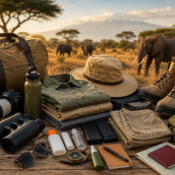
Packing properly makes your Serengeti safari more comfortable and enjoyable. Here is my practical Serengeti packing list.
- Clothing should be neutral colors. Olive, tan, brown, and khaki work best. Avoid bright colors which attract insects and can disturb wildlife. Also avoid blue and black, which attract tsetse flies.
- Pack long sleeved shirts and long pants. These protect against morning cold, evening mosquitoes, and intense sun. A fleece or lightweight jacket is essential for early morning game drives when temperatures can be near freezing in an open vehicle.
- Shorts and short sleeved shirts work well for midday when the sun is high. A swimsuit is useful as many lodges and camps have pools.
- Comfortable closed toe shoes or hiking boots are best for game drives. You will be climbing in and out of vehicles on dusty ground.
- Gear is as important as clothing. Binoculars are absolutely essential. A good pair will enhance your safari more than an expensive camera. For cameras, bring a zoom lens of at least 300 millimeters. Four hundred millimeters is even better. Wildlife photography Tanzania requires proper equipment.
- A power bank helps even though safari vehicles have charging ports. A headlamp or small flashlight is useful at night when walking between tents or rooms.
- Health and document essentials include your passport with at least six months validity, a printed copy of your Tanzania visa, yellow fever vaccination certificate if required, malaria prophylaxis prescribed by your doctor, high SPF sunscreen, lip balm, and insect repellent with DEET.
- Leave jeans at home because they are too stiff and hot for safari. Leave high heels, formal wear, and drones which are illegal in national parks.
Serengeti Travel Tips
Let me share insider knowledge that will improve your Serengeti safari experience. These Serengeti travel tips come from years of exploring this park.
- First, listen to your guide. They have spent years learning the park and its wildlife. They know where to find animals and how to approach safely. Trust their judgment.
- Second, be patient. Wildlife does not perform on command. Some game drives are quiet. Others are action packed. The quiet moments make the dramatic moments even better.
- Third, respect the animals. Stay inside the vehicle unless your guide says otherwise. Keep noise down. Do not try to attract animal attention. Good wildlife viewing is about observing, not interfering.
- Fourth, bring cash. The Serengeti has no ATMs. Credit cards work at some lodges but not all. Bring US dollars for park fees, tips, souvenirs, and incidentals.
- Fifth, book early for peak season. The best camps book up six to twelve months in advance for July through October. If you want to visit during the northern Serengeti migration, plan ahead.
- Sixth, consider flying to the Serengeti. The drive from Arusha takes six to eight hours. A flight takes one hour. The time and energy saved are often worth the extra cost.
- Seventh, do not skip the balloon safari Serengeti offers. It is expensive, around 550 US dollars per person. The sunrise views over the plains are spectacular. Floating over herds of wildlife is unforgettable. Most balloon safaris include a champagne breakfast in the bush. A balloon safari Serengeti offers is one of the most magical experiences anywhere in Africa.
- Eighth, understand that the Serengeti is massive. You cannot see it all in one trip. Focus on one or two regions based on the migration timing. You can always come back.
- Ninth, consider a Serengeti vs Masai Mara comparison if you are deciding between Kenya and Tanzania. Both are exceptional. The Serengeti is larger and often less crowded. The Masai Mara has higher predator density during migration season. Many serious safari travelers eventually visit both.
- Tenth, combine your Serengeti safari with a visit to Ngorongoro Crater. The crater offers a completely different experience and is right next door. Most Serengeti safari packages include Ngorongoro.
Frequently Asked Questions About Serengeti Safaris
Is Serengeti worth visiting?
Absolutely. The Serengeti offers wildlife viewing that rivals anywhere else on earth. Even without the Great Migration, the resident animals are abundant and diverse. With the migration, it becomes truly world class. The landscape is stunning. The safari infrastructure is excellent. Yes, it is worth every penny.
What is the best month to visit Serengeti?
There is no single best month because different times offer different experiences. For calving season and predator action in the southern Serengeti, visit January to March. For Grumeti River crossings, visit May to June. For Mara River crossings in the northern Serengeti, visit July to October. For lower prices and fewer crowds, visit November to December. Each Serengeti season has unique advantages.
How much does a Serengeti safari cost?
A mid range five day Serengeti safari costs between 1,500 and 2,500 US dollars per person. A seven day safari costs between 2,500 and 4,000 US dollars per person. A luxury Serengeti safari cost starts at 800 dollars per person per day. International flights are extra. Your Serengeti safari budget should also account for tips, souvenirs, and optional activities.
How many days should I spend in Serengeti?
Five days is good. Seven days is ideal. This gives you time to explore multiple regions and increases your chances of witnessing dramatic wildlife events. Three days is the absolute minimum but you will only scratch the surface. How many days in Serengeti you need depends on your goals and budget.
Can you see the Big Five in Serengeti?
Yes, but with one caveat. Lions, leopards, elephants, and buffaloes are all common in the Serengeti. Rhinos are rare. Your best chance for rhinos is in the Moru Kopjes area with an expert guide. That said, many travelers see four of the Big Five and consider their safari a huge success.
When does the Great Migration happen in Serengeti?
The Great Migration is a year round event. The herds are in the southern Serengeti for calving season from December to March. They move west to the Grumeti River from April to June. They gather in the northern Serengeti near the Mara River from July to October. They move back south from November to December. A migration safari Tanzania offers spectacular viewing in any season.
Which is better: Serengeti or Masai Mara?
Both are exceptional. For those researching Serengeti vs Masai Mara, here is the honest comparison. The Serengeti is much larger and less crowded. It offers more diverse landscapes and the complete migration year round. The Masai Mara is smaller but often has higher predator density during migration season because the herds are concentrated. Many serious safari travelers eventually visit both. For a first time Tanzania safari, the Serengeti is perfect.
What is a Serengeti National Park safari like?
A Serengeti National Park safari involves daily game drives in search of wildlife. Most days start early, around 6 AM, for the morning drive when animals are most active. You return to camp for breakfast and rest during the hot midday hours. The afternoon drive starts around 4 PM and continues until sunset. You will see incredible wildlife, beautiful landscapes, and have experiences you will never forget.
What are the best Serengeti safari packages?
The best Serengeti safari packages include at least four nights in the park, transport from Arusha, all park fees, game drives in a 4×4 vehicle, and full board accommodation. Look for packages that include multiple regions of the Serengeti based on the migration timing. A complete Serengeti safari guide will help you choose the right package.
What can first time travelers expect on a Serengeti safari?
For those researching Serengeti safari for first timers, here is what to expect. Early mornings. Dusty roads. Incredible wildlife sightings. Comfortable accommodation. Delicious food. And a lifetime of memories. The key is to book with a reputable operator, listen to your guide, and embrace the adventure. Understanding what to expect on a Serengeti safari helps you prepare properly.
What are Serengeti game drives like?
Serengeti game drives typically happen at sunrise and late afternoon. The morning drive starts around 6.30 AM when animals are most active. You return to camp for breakfast and rest during the hot midday hours. The afternoon drive starts around 4.00 PM and continues until sunset. Your guide will communicate with other guides by radio to share wildlife sightings.
Is the Serengeti expensive?
The Serengeti is not cheap, but it offers excellent value for what you receive. Park fees alone are 70 to 100 US dollars per person per day. When you add accommodation, transport, and guiding, the costs add up. That said, affordable Serengeti safaris are possible during green season or with camping options. Luxury Serengeti safari cost is high, but the experience is unparalleled.
Do I need a visa for Tanzania?
Yes. Most nationalities need a visa to enter Tanzania. You can apply for an eVisa online before travel or get a visa on arrival at the airport. The cost is 50 US dollars for most passport holders and 100 US dollars for US citizens. Your passport must be valid for at least six months from your arrival date.
Is the Serengeti safe?
Yes. The Serengeti is very safe for tourists. Wildlife encounters are managed carefully. Armed rangers patrol the park. Crime against tourists is extremely rare. Follow your guide’s instructions, stay inside the vehicle, and you will be fine.
What is the Serengeti weather like?
Serengeti weather is pleasant year round. Daytime temperatures typically range from 20 to 30 degrees Celsius. Mornings and evenings can be cool, especially from June to August when temperatures can drop to 10 degrees. The rainy seasons bring short afternoon showers, usually lasting one to two hours.
Your Serengeti Safari Awaits
You have made it through this complete Serengeti Safari Guide. That tells me you are serious about planning this trip.
You now know why Serengeti National Park is worth visiting. You understand the Serengeti wildlife you will see, from the Big Five to the Great Migration. You have realistic Serengeti safari costs for 2026. You know the best time to visit based on what you want to experience. You have packing tips, Serengeti travel advice, and answers to the most common questions about Serengeti vs Masai Mara, how many days you need, and what to expect on a Serengeti safari.
So what is next?
Do not spend weeks scrolling through random blogs and YouTube videos. You have the information. Now you need a partner on the ground.
At Probe Safaris, we have been arranging Serengeti safari tours for years. We know the best lodges in Serengeti. We know which guides spot the most leopards. We know where to position for the best river crossings during the northern Serengeti migration. Let us put that expertise to work for you.
Contact Probe Safaris today
Tell us your travel dates, how many people are in your group, and your dream budget. We will send you a custom Serengeti safari itinerary within 24 hours. No pressure. No spam. Just honest advice from people who love this park and want to share it with you.
Email
info@probeafricasafaris.com
probeafricasafarisltd@gmail.com
Call or WhatsApp
(+254) 741 017 793
(+254) 706 265 710
Visit our office
Venus Complex, 1st Floor Room 4107
Northern Bypass, Nairobi, Kenya
Contact page
https://probeafricasafaris.com/contact/
Click below to start planning your Serengeti safari now
[Start Planning Your Serengeti Safari – Get a Free Quote]
Your Serengeti adventure is waiting. Let us make it happen together.