Kenya Safari for First Timers (2026): Everything You Need to Know Before You Go- Probe Africa Safaris
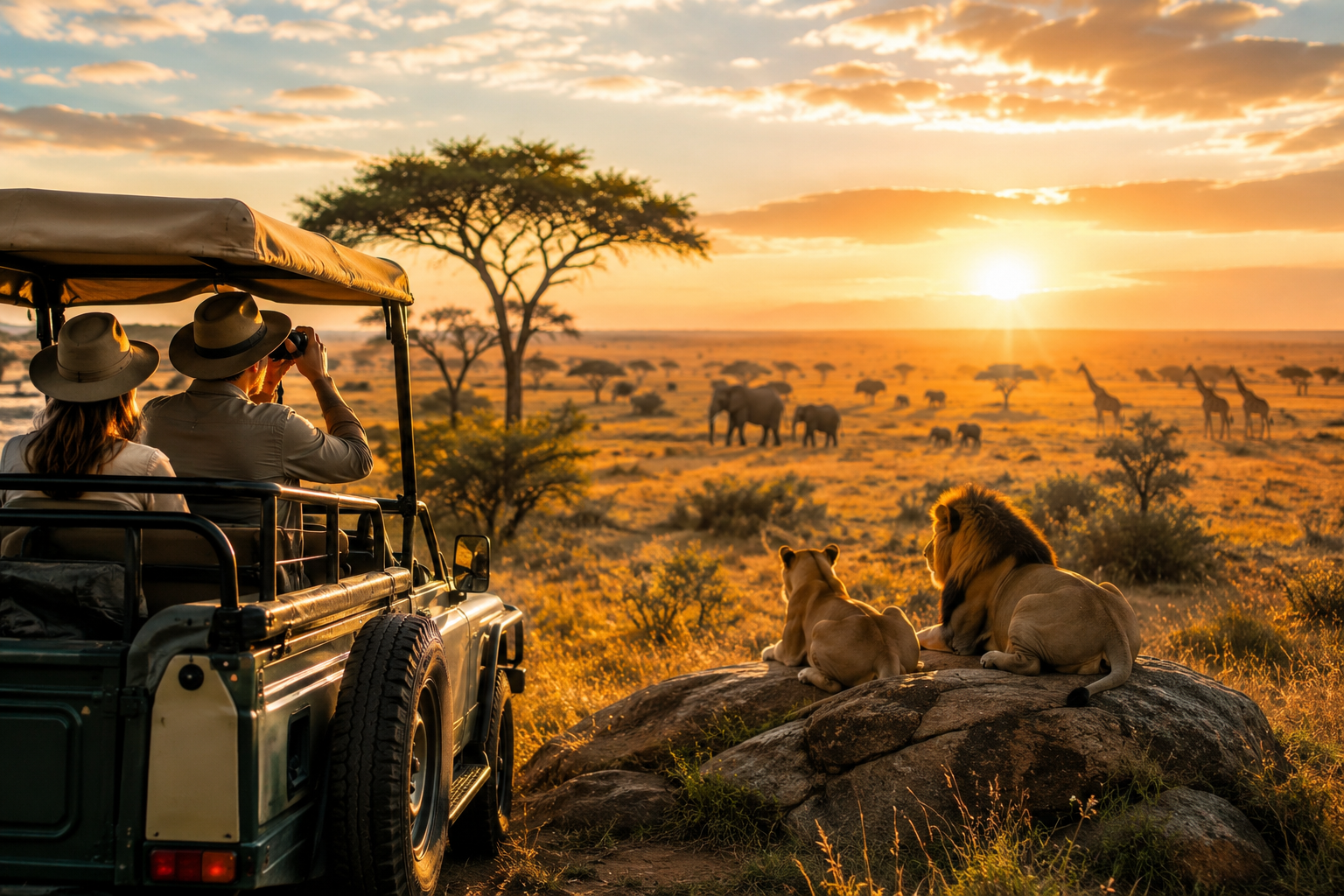
Kenya Safari for First Timers (2026): Everything You Need to Know Before You Go- Probe Africa Safaris
Best National Parks for Your First Kenya Safari
Kenya is home to some of Africa’s most spectacular national parks and reserves, each offering unique landscapes, abundant wildlife, and unforgettable safari experiences. While every destination has something special to offer, visiting two or three parks allows you to enjoy a more complete and rewarding Kenya safari experience.
Whether you’re dreaming of witnessing the Great Wildebeest Migration, photographing elephants beneath the snow-capped peaks of Mount Kilimanjaro, or searching for the legendary Big Five, Kenya has a destination perfectly suited to your safari adventure.
🦁 Masai Mara National Reserve
The Masai Mara National Reserve is Kenya’s most famous safari destination and one of the world’s greatest wildlife reserves. Known for its endless golden plains and extraordinary concentration of wildlife, the Masai Mara is the perfect destination for anyone planning a first time Kenya safari.
The reserve is home to the legendary Big Five—lion, leopard, elephant, buffalo, and rhino—as well as cheetahs, hyenas, giraffes, zebras, wildebeest, and hundreds of bird species. Between July and October, visitors have the incredible opportunity to witness the Great Wildebeest Migration, when more than a million wildebeest and zebras cross from Tanzania’s Serengeti into Kenya in search of greener pastures.
Beyond its incredible wildlife, the Masai Mara offers accommodations for every type of traveler, from luxury safari lodges and exclusive tented camps to comfortable mid-range and budget-friendly options. Visitors can also enjoy unforgettable experiences such as sunrise hot air balloon safaris, bush breakfasts, and guided cultural visits to nearby Maasai communities.
If you’re only visiting one national park during your safari, the Masai Mara is the destination that delivers the classic African safari experience.
🐘 Amboseli National Park
Located in southern Kenya near the Tanzania border, Amboseli National Park is famous for its magnificent elephant herds and breathtaking views of Mount Kilimanjaro. Few places in Africa provide such spectacular scenery, making Amboseli one of the most photographed safari destinations on the continent.
The park’s open plains and seasonal wetlands attract a wide variety of wildlife, including elephants, lions, buffaloes, zebras, giraffes, hyenas, and more than 400 bird species. The unobstructed landscapes also make wildlife easier to spot, providing excellent opportunities for photography and game viewing.
Amboseli is particularly popular among families, honeymooners, and wildlife photographers because of its peaceful atmosphere and unforgettable scenery. Watching elephants walk across the plains with Mount Kilimanjaro rising in the background is an experience that remains with travelers long after their safari ends.
🦏 Lake Nakuru National Park
Lake Nakuru National Park is one of Kenya’s premier wildlife conservation areas and is internationally recognized for its successful rhino conservation program. It offers one of the best chances in East Africa to see both black and white rhinos in their natural habitat.
The park is also home to Rothschild’s giraffes, lions, leopards, waterbucks, baboons, buffaloes, and a remarkable diversity of birdlife. Depending on the season, visitors may also see flamingos and pelicans gathering along the lake’s shores, creating spectacular photographic opportunities.
Because of its compact size and well-maintained road network, Lake Nakuru is ideal for first-time safari travelers who want excellent wildlife viewing within a relatively short period.
🐆 Samburu National Reserve
For travelers seeking a different safari experience, Samburu National Reserve offers a rugged and less crowded wilderness in northern Kenya. Unlike the lush grasslands of the Masai Mara, Samburu features dramatic rocky landscapes, acacia woodlands, and the Ewaso Nyiro River, which attracts abundant wildlife throughout the year.
Samburu is famous for its rare species collectively known as the Samburu Special Five—Grevy’s zebra, reticulated giraffe, Somali ostrich, Beisa oryx, and the long-necked gerenuk. These animals are rarely seen in Kenya’s southern parks, making Samburu an exciting destination for wildlife enthusiasts and repeat safari visitors.
Its peaceful atmosphere and unique biodiversity make Samburu a wonderful addition to any Kenya safari itinerary.
🌿 Tsavo East and Tsavo West National Parks
Together, Tsavo East and Tsavo West National Parks form one of Africa’s largest protected wildlife ecosystems. Covering thousands of square kilometers, these parks are famous for their vast wilderness, volcanic landscapes, lava fields, crystal-clear springs, and the legendary red elephants coated in Tsavo’s distinctive red soil.
Tsavo East offers wide-open savannahs that support large herds of elephants, buffaloes, zebras, and giraffes, while Tsavo West features rolling hills, dense vegetation, volcanic formations, and the beautiful Mzima Springs, where visitors can observe hippos and crocodiles from underwater viewing chambers.
Because the parks receive fewer visitors than the Masai Mara, they provide a more tranquil safari experience while still offering outstanding wildlife viewing.
Wildlife You Can Expect to See
One of the greatest highlights of every Kenya safari holiday is the incredible diversity of wildlife. Every game drive offers something different, and no two safari experiences are ever the same.
Depending on where and when you travel, you may encounter:
- 🦁 African lions
- 🐘 African elephants
- 🐆 Leopards
- 🦏 Black and white rhinos
- 🐃 Cape buffalo
- 🦒 Giraffes
- 🦓 Zebras
- 🐆 Cheetahs
- 🦛 Hippos
- 🐊 Nile crocodiles
- 🦅 Eagles, vultures, secretary birds, and over 1,100 bird species
- 🐒 Baboons, vervet monkeys, and other fascinating primates
Beyond the famous Big Five, Kenya’s national parks are home to countless smaller animals, reptiles, insects, and bird species that contribute to the country’s extraordinary biodiversity. Whether you’re watching elephants grazing beneath acacia trees, witnessing a lion pride resting after a hunt, or observing thousands of wildebeest crossing the Mara River, every safari creates unforgettable memories.
⭐ Expert Recommendation
For first-time visitors, we recommend a 6 to 8-day safari that combines the Masai Mara National Reserve, Lake Nakuru National Park, and Amboseli National Park. This itinerary provides an excellent balance of wildlife viewing, scenic landscapes, comfortable accommodations, and authentic safari experiences, making it one of the best introductions to Kenya for anyone embarking on their first African safari.
Best Time to Visit Kenya for Your First Safari
One of the most common questions first-time travelers ask is, “When is the best time to visit Kenya for a safari?” The good news is that Kenya is a year-round safari destination, but each season offers a different experience. Your ideal travel dates will depend on what you hope to see, your budget, and the type of safari adventure you’re looking for.
For most visitors, the dry seasons are considered the best time to visit because wildlife is easier to find around rivers, waterholes, and permanent water sources. During these months, vegetation is less dense, making animal sightings more frequent and photography conditions excellent.
June to October – Peak Safari Season
The period between June and October is widely regarded as the best time for a Kenya safari. These months coincide with the dry season and the arrival of the world-famous Great Wildebeest Migration in the Masai Mara.
As millions of wildebeest, zebras, and gazelles move across the Mara ecosystem, predators such as lions, cheetahs, and crocodiles follow closely behind, creating some of the most dramatic wildlife spectacles on Earth.
This is also the ideal season for:
- Witnessing the Great Migration.
- Spotting the Big Five.
- Excellent wildlife photography.
- Comfortable daytime temperatures.
- Clear skies and minimal rainfall.
- Hot air balloon safaris.
Because this is the most popular safari season, accommodations and safari packages often sell out months in advance. Booking early is highly recommended.
January to March – Warm Weather and Excellent Wildlife Viewing
Another excellent time for a Kenya safari for first timers is between January and March. During these months, the weather is generally warm and dry, with clear skies that create ideal conditions for game drives and photography.
Wildlife remains easy to spot as animals gather around permanent water sources, while migratory birds add vibrant colors to many national parks and reserves.
This season is particularly suitable for:
- Couples and honeymooners.
- Wildlife photographers.
- Birdwatching enthusiasts.
- Visitors looking for fewer crowds.
- Luxury safari experiences.
Many experienced safari travelers consider January and February among the most rewarding months because parks are quieter than during the migration season while wildlife viewing remains exceptional.
April and May – Green Season
April and May mark Kenya’s long rainy season, often referred to as the Green Season. Although rainfall is more frequent, this period transforms the country’s landscapes into lush green wilderness filled with wildflowers and dramatic skies.
While some roads in remote parks may become difficult to access, many travelers appreciate this quieter season because it offers excellent value and a more peaceful safari experience.
Benefits of traveling during the Green Season include:
- Lower safari prices.
- Fewer tourists.
- Beautiful green landscapes.
- Excellent birdwatching.
- Great opportunities for landscape photography.
For travelers on a budget, this season can provide outstanding value while still delivering memorable wildlife encounters.
November and December – Short Rains and Emerging Wildlife
The short rainy season occurs between November and December. Rainfall is generally lighter and less predictable than during April and May, with showers often occurring in the late afternoon or evening.
Wildlife remains active throughout the parks, and many newborn animals begin appearing during this period, attracting predators and creating exciting game-viewing opportunities.
This season is ideal for travelers who prefer quieter parks without sacrificing wildlife experiences.
How Many Days Should Your First Kenya Safari Be?
The length of your safari plays a significant role in your overall experience. While it is possible to enjoy wildlife viewing on a short trip, allowing more time gives you the opportunity to visit multiple parks, observe different ecosystems, and travel at a comfortable pace.
3-Day Safari
A three-day safari is perfect for travelers with limited time. Most itineraries focus on a single destination such as the Masai Mara or Amboseli National Park.
This option is ideal for:
- Weekend travelers.
- Business visitors extending their stay.
- Travelers on a tight schedule.
5-Day Safari
A five-day itinerary allows visitors to combine two parks, providing greater wildlife diversity and more varied landscapes.
Popular combinations include:
- Masai Mara and Lake Nakuru.
- Amboseli and Tsavo.
- Masai Mara and Amboseli.
This is one of the most popular safari durations for first-time visitors.
7-Day Safari
A seven-day safari offers the perfect balance between exploration and relaxation. Visitors can comfortably experience three national parks while enjoying leisurely game drives and quality time at each lodge.
A recommended itinerary includes:
- Masai Mara National Reserve.
- Lake Nakuru National Park.
- Amboseli National Park.
This itinerary provides exceptional opportunities to see the Big Five, spectacular scenery, and a wide variety of wildlife.
10 Days or More
Travelers with additional time can explore Kenya more extensively by including destinations such as Samburu National Reserve, Tsavo East and West, Aberdare National Park, or the beautiful Kenyan coast after their safari.
A longer itinerary allows for:
- Greater wildlife diversity.
- More relaxed travel.
- Cultural experiences with local communities.
- Beach extensions in Diani, Watamu, or Malindi.
- Luxury safari experiences.
⭐ Probe Africa Safaris Recommendation
For most first-time visitors, we recommend a 7-day Kenya safari that combines the Masai Mara National Reserve, Lake Nakuru National Park, and Amboseli National Park. This itinerary offers the perfect introduction to Kenya’s extraordinary wildlife, stunning landscapes, and authentic safari experiences while giving you enough time to relax and fully appreciate each destination before returning home.
How Much Does a Kenya Safari Cost?
One of the first questions travelers ask when planning a Kenya safari for first timers is, “How much does a Kenya safari cost?” The answer depends on several factors, including the time of year you travel, the parks you visit, your preferred accommodation, the number of days, and whether you choose a private or group safari.
The good news is that Kenya offers safari experiences for every budget. Whether you’re looking for an affordable adventure or a luxurious once-in-a-lifetime holiday, there are options to suit every traveler.
Below is a general guide to help you estimate your safari budget.
Budget Kenya Safari
Budget safaris are ideal for backpackers, students, solo travelers, and anyone looking to experience Kenya’s incredible wildlife without spending a fortune.
These safaris usually include:
- Shared safari vehicles.
- Budget safari camps or basic lodges.
- Scheduled group departures.
- Standard meals.
- Professional English-speaking guides.
Estimated Cost: US$180–350 per person per day
Although budget-friendly, these safaris still offer excellent wildlife viewing and the opportunity to visit famous destinations such as the Masai Mara, Amboseli, and Lake Nakuru.
Mid-Range Kenya Safari
A mid-range safari offers the perfect balance between comfort and affordability. It is the most popular option among couples, families, and first-time visitors.
Mid-range packages typically include:
- Comfortable safari lodges or permanent tented camps.
- Private or small-group game drives.
- Full-board accommodation.
- Airport transfers.
- Professional safari guides.
- Park entrance fees.
Estimated Cost: US$350–650 per person per day
For many travelers, this category provides the best value for money while delivering an authentic and comfortable safari experience.
Luxury Kenya Safari
Luxury safaris are designed for travelers seeking exceptional comfort, personalized service, and exclusive wildlife experiences.
Luxury packages often include:
- Five-star safari lodges.
- Luxury tented camps.
- Private safari vehicles.
- Personalized itineraries.
- Fine dining experiences.
- Bush breakfasts and bush dinners.
- Sundowners overlooking the savannah.
- Optional hot air balloon safaris.
- Luxury airport transfers.
Estimated Cost: US$700–1,500+ per person per day
Luxury safaris provide unforgettable experiences while supporting conservation initiatives and local communities through sustainable tourism.
What Affects the Cost of a Kenya Safari?
Several factors influence the overall cost of your safari. Understanding these can help you plan a trip that matches your budget and expectations.
Time of Year
Traveling during the peak safari season between June and October usually comes with higher prices due to increased demand. Visiting during the Green Season often provides significant savings while still offering excellent wildlife experiences.
Length of Your Safari
Naturally, longer safaris cost more. However, spending additional days often provides better value because you can explore multiple destinations without rushing between parks.
Accommodation
Accommodation has one of the biggest impacts on safari pricing.
Your choices include:
- Budget camps
- Mid-range safari lodges
- Luxury lodges
- Exclusive tented camps
- Ultra-luxury safari properties
Each option offers a different level of comfort, service, and overall experience.
Private vs Group Safari
Private safaris provide maximum flexibility, allowing you to customize your itinerary, spend more time at wildlife sightings, and travel at your own pace.
Group safaris are generally more affordable because transportation and guide costs are shared among several travelers.
Domestic Flights
Some itineraries include domestic flights between parks, while others use comfortable safari vehicles for overland travel. Flying saves time but usually increases the overall cost of the safari.
Is a Kenya Safari Worth the Cost?
Absolutely.
For many travelers, a Kenya safari is more than just a vacation—it’s a once-in-a-lifetime adventure. The opportunity to witness wild animals in their natural habitat, experience breathtaking landscapes, and learn about Kenya’s rich culture creates memories that last forever.
Unlike many traditional holidays, every safari is unique. No two game drives are ever the same, and each day brings new wildlife encounters and unforgettable moments.
Many visitors leave Kenya saying their safari exceeded every expectation.
💡 Money-Saving Tips for First-Time Safari Travelers
If you’re planning your first safari and want to maximize your budget, these tips can help you save without compromising your experience.
- Travel during the shoulder or Green Season for lower prices.
- Book your safari several months in advance.
- Combine multiple parks in one itinerary to maximize wildlife viewing.
- Choose a mid-range safari for the best balance of comfort and value.
- Travel with family or friends to share the cost of private vehicles.
- Work with a reputable local safari operator for competitive pricing and personalized service.
Why Book with a Local Safari Company?
Booking directly with a trusted Kenyan tour operator offers several advantages over using international booking platforms.
A local company understands seasonal wildlife movements, road conditions, accommodation options, and the best game-viewing locations. They can also customize your itinerary to match your interests, travel style, and budget while providing local knowledge that enhances your safari experience.
At Probe Africa Safaris, we specialize in creating personalized Kenya safari experiences for first-time visitors, families, couples, photographers, and adventure travelers. Our experienced guides, carefully selected accommodations, and attention to detail ensure every safari is memorable from start to finish.
⭐ Expert Tip
If this is your first safari, don’t choose your itinerary based on price alone. Focus on the overall experience, the quality of your guide, the parks you’ll visit, and the amount of time you’ll spend exploring each destination. A well-planned safari offers exceptional value and memories that will stay with you for a lifetime.
Kenya Safari Packing List for First-Time Visitors
Packing properly can make a significant difference to your overall safari experience. Unlike a traditional beach holiday, a safari involves early morning game drives, changing temperatures, dusty roads, and plenty of time outdoors. Knowing what to bring ensures you’re comfortable throughout your journey while being prepared for every adventure.
One of the biggest mistakes first-time visitors make is overpacking. Most safari lodges offer laundry services, and domestic flights within Kenya often have strict luggage weight limits, especially if you’re flying in small aircraft to remote safari camps.
The key is to pack light while bringing versatile clothing and essential travel items.
Clothing to Pack
The best safari clothing is lightweight, breathable, and comfortable. Neutral colors such as khaki, olive green, beige, brown, and light grey are highly recommended because they blend naturally into the environment and help avoid attracting insects.
Pack the following clothing:
- 👕 Lightweight long-sleeved shirts.
- 👕 Comfortable t-shirts.
- 👖 Convertible hiking trousers.
- 🩳 Shorts for relaxing at your lodge.
- 🧥 A warm fleece or light jacket for early morning game drives.
- 🧥 Waterproof rain jacket.
- 🧦 Comfortable underwear and sleepwear.
- 🧢 Wide-brim safari hat.
- 🕶️ Sunglasses with UV protection.
- 🏊 Swimwear if your lodge has a swimming pool.
Avoid bright colors such as red, orange, neon green, or white during game drives, as they may distract wildlife or become dirty quickly.
Footwear
Comfortable footwear is essential, particularly if your itinerary includes walking safaris or cultural village visits.
Recommended footwear includes:
- Comfortable walking shoes.
- Lightweight hiking boots.
- Sandals or flip-flops for relaxing at camp.
- Breathable socks.
Most safari activities involve driving rather than long-distance walking, so heavy hiking boots are generally unnecessary unless specifically required by your itinerary.
Photography Equipment
A Kenya safari offers endless photography opportunities. Whether you’re using a professional camera or simply your smartphone, you’ll want to capture every unforgettable wildlife encounter.
Recommended items include:
- Camera with extra memory cards.
- Spare batteries.
- Battery charger.
- Binoculars.
- Smartphone.
- Portable power bank.
- Camera cleaning cloth.
- Zoom lens (200–400 mm if available).
Even if you’re not an experienced photographer, a good pair of binoculars can greatly enhance your wildlife viewing experience.
Travel Documents
Before departing for Kenya, ensure you have all necessary travel documents organized and easily accessible.
Your travel documents should include:
- Passport with at least six months’ validity.
- Kenya Electronic Travel Authorization (eTA), where applicable.
- Flight tickets.
- Hotel and safari confirmations.
- Travel insurance documents.
- Emergency contact information.
- Copies of important documents stored separately.
Keeping both printed and digital copies can provide extra peace of mind during your trip.
Health and Personal Essentials
Although most safari destinations are well-equipped for tourists, it’s wise to carry a small personal medical kit.
Recommended items include:
- Prescription medication.
- Pain relievers.
- Motion sickness tablets.
- Insect repellent.
- Sunscreen (SPF 50+).
- Lip balm.
- Hand sanitizer.
- Wet wipes.
- Reusable water bottle.
- Basic first aid supplies.
If you’re traveling from abroad, consult your healthcare provider several weeks before departure regarding recommended vaccinations and health precautions.
Kenya Safari Safety Tips for First-Time Visitors
Kenya is one of Africa’s leading safari destinations and welcomes thousands of international visitors every year. Safaris are generally very safe when organized by experienced tour operators and conducted with professional guides.
To ensure a safe and enjoyable adventure, keep these important tips in mind:
- Always follow your safari guide’s instructions.
- Never leave your vehicle unless your guide says it is safe.
- Avoid feeding or approaching wild animals.
- Keep noise levels low during game drives.
- Secure your valuables while traveling.
- Drink plenty of water to stay hydrated.
- Respect local communities and ask permission before taking photographs.
Remember that you are visiting wild animals in their natural habitat. Observing them respectfully ensures both your safety and the protection of Kenya’s incredible wildlife.
Responsible and Sustainable Safari Travel
Modern travelers increasingly want their adventures to contribute positively to conservation and local communities. Choosing a responsible safari operator helps protect Kenya’s wildlife while supporting the people who live alongside these remarkable ecosystems.
You can travel more responsibly by:
- Staying in eco-friendly safari lodges.
- Supporting locally owned businesses.
- Respecting wildlife viewing distances.
- Avoiding single-use plastics.
- Purchasing authentic locally made crafts.
- Following Leave No Trace principles.
- Supporting conservation initiatives.
Sustainable tourism helps preserve Kenya’s natural heritage for future generations while ensuring local communities benefit directly from tourism.
Why Kenya Should Be Your First African Safari Destination
For many travelers, Kenya represents the ultimate African safari dream. Few destinations combine spectacular wildlife, diverse landscapes, welcoming hospitality, and rich cultural experiences as successfully as Kenya.
From watching lions roam the plains of the Masai Mara to photographing elephants beneath Mount Kilimanjaro, every day offers unforgettable moments. Add world-class safari lodges, experienced guides, excellent infrastructure, and year-round wildlife viewing, and it’s easy to understand why millions of travelers choose Kenya as their first safari destination.
Whether you’re traveling as a couple, family, solo adventurer, photographer, or wildlife enthusiast, Kenya offers an experience unlike anywhere else in the world.
🌟 Final Thoughts
Planning your Kenya safari for first timers doesn’t have to be overwhelming. With the right itinerary, the best travel season, proper preparation, and guidance from experienced safari experts, your first safari can become one of the most memorable journeys of your life.
At Probe Africa Safaris, we specialize in creating tailor-made safari experiences designed around your interests, travel style, and budget. From your arrival in Kenya to your final game drive, our experienced team is committed to delivering an authentic, comfortable, and unforgettable African adventure.
Your first safari is only the beginning—and Kenya is the perfect place to start.
Best National Parks for Your First Kenya Safari
Kenya is home to some of Africa’s most spectacular national parks and reserves, each offering unique landscapes, abundant wildlife, and unforgettable safari experiences. While every destination has something special to offer, visiting two or three parks allows you to enjoy a more complete and rewarding Kenya safari experience.
Whether you’re dreaming of witnessing the Great Wildebeest Migration, photographing elephants beneath the snow-capped peaks of Mount Kilimanjaro, or searching for the legendary Big Five, Kenya has a destination perfectly suited to your safari adventure.
🦁 Masai Mara National Reserve
The Masai Mara National Reserve is Kenya’s most famous safari destination and one of the world’s greatest wildlife reserves. Known for its endless golden plains and extraordinary concentration of wildlife, the Masai Mara is the perfect destination for anyone planning a first time Kenya safari.
The reserve is home to the legendary Big Five—lion, leopard, elephant, buffalo, and rhino—as well as cheetahs, hyenas, giraffes, zebras, wildebeest, and hundreds of bird species. Between July and October, visitors have the incredible opportunity to witness the Great Wildebeest Migration, when more than a million wildebeest and zebras cross from Tanzania’s Serengeti into Kenya in search of greener pastures.
Beyond its incredible wildlife, the Masai Mara offers accommodations for every type of traveler, from luxury safari lodges and exclusive tented camps to comfortable mid-range and budget-friendly options. Visitors can also enjoy unforgettable experiences such as sunrise hot air balloon safaris, bush breakfasts, and guided cultural visits to nearby Maasai communities.
If you’re only visiting one national park during your safari, the Masai Mara is the destination that delivers the classic African safari experience.
🐘 Amboseli National Park
Located in southern Kenya near the Tanzania border, Amboseli National Park is famous for its magnificent elephant herds and breathtaking views of Mount Kilimanjaro. Few places in Africa provide such spectacular scenery, making Amboseli one of the most photographed safari destinations on the continent.
The park’s open plains and seasonal wetlands attract a wide variety of wildlife, including elephants, lions, buffaloes, zebras, giraffes, hyenas, and more than 400 bird species. The unobstructed landscapes also make wildlife easier to spot, providing excellent opportunities for photography and game viewing.
Amboseli is particularly popular among families, honeymooners, and wildlife photographers because of its peaceful atmosphere and unforgettable scenery. Watching elephants walk across the plains with Mount Kilimanjaro rising in the background is an experience that remains with travelers long after their safari ends.
🦏 Lake Nakuru National Park
Lake Nakuru National Park is one of Kenya’s premier wildlife conservation areas and is internationally recognized for its successful rhino conservation program. It offers one of the best chances in East Africa to see both black and white rhinos in their natural habitat.
The park is also home to Rothschild’s giraffes, lions, leopards, waterbucks, baboons, buffaloes, and a remarkable diversity of birdlife. Depending on the season, visitors may also see flamingos and pelicans gathering along the lake’s shores, creating spectacular photographic opportunities.
Because of its compact size and well-maintained road network, Lake Nakuru is ideal for first-time safari travelers who want excellent wildlife viewing within a relatively short period.
🐆 Samburu National Reserve
For travelers seeking a different safari experience, Samburu National Reserve offers a rugged and less crowded wilderness in northern Kenya. Unlike the lush grasslands of the Masai Mara, Samburu features dramatic rocky landscapes, acacia woodlands, and the Ewaso Nyiro River, which attracts abundant wildlife throughout the year.
Samburu is famous for its rare species collectively known as the Samburu Special Five—Grevy’s zebra, reticulated giraffe, Somali ostrich, Beisa oryx, and the long-necked gerenuk. These animals are rarely seen in Kenya’s southern parks, making Samburu an exciting destination for wildlife enthusiasts and repeat safari visitors.
Its peaceful atmosphere and unique biodiversity make Samburu a wonderful addition to any Kenya safari itinerary.
🌿 Tsavo East and Tsavo West National Parks
Together, Tsavo East and Tsavo West National Parks form one of Africa’s largest protected wildlife ecosystems. Covering thousands of square kilometers, these parks are famous for their vast wilderness, volcanic landscapes, lava fields, crystal-clear springs, and the legendary red elephants coated in Tsavo’s distinctive red soil.
Tsavo East offers wide-open savannahs that support large herds of elephants, buffaloes, zebras, and giraffes, while Tsavo West features rolling hills, dense vegetation, volcanic formations, and the beautiful Mzima Springs, where visitors can observe hippos and crocodiles from underwater viewing chambers.
Because the parks receive fewer visitors than the Masai Mara, they provide a more tranquil safari experience while still offering outstanding wildlife viewing.
Wildlife You Can Expect to See
One of the greatest highlights of every Kenya safari holiday is the incredible diversity of wildlife. Every game drive offers something different, and no two safari experiences are ever the same.
Depending on where and when you travel, you may encounter:
- 🦁 African lions
- 🐘 African elephants
- 🐆 Leopards
- 🦏 Black and white rhinos
- 🐃 Cape buffalo
- 🦒 Giraffes
- 🦓 Zebras
- 🐆 Cheetahs
- 🦛 Hippos
- 🐊 Nile crocodiles
- 🦅 Eagles, vultures, secretary birds, and over 1,100 bird species
- 🐒 Baboons, vervet monkeys, and other fascinating primates
Beyond the famous Big Five, Kenya’s national parks are home to countless smaller animals, reptiles, insects, and bird species that contribute to the country’s extraordinary biodiversity. Whether you’re watching elephants grazing beneath acacia trees, witnessing a lion pride resting after a hunt, or observing thousands of wildebeest crossing the Mara River, every safari creates unforgettable memories.
⭐ Expert Recommendation
For first-time visitors, we recommend a 6 to 8-day safari that combines the Masai Mara National Reserve, Lake Nakuru National Park, and Amboseli National Park. This itinerary provides an excellent balance of wildlife viewing, scenic landscapes, comfortable accommodations, and authentic safari experiences, making it one of the best introductions to Kenya for anyone embarking on their first African safari.
Best Time to Visit Kenya for Your First Safari
One of the most common questions first-time travelers ask is, “When is the best time to visit Kenya for a safari?” The good news is that Kenya is a year-round safari destination, but each season offers a different experience. Your ideal travel dates will depend on what you hope to see, your budget, and the type of safari adventure you’re looking for.
For most visitors, the dry seasons are considered the best time to visit because wildlife is easier to find around rivers, waterholes, and permanent water sources. During these months, vegetation is less dense, making animal sightings more frequent and photography conditions excellent.
June to October – Peak Safari Season
The period between June and October is widely regarded as the best time for a Kenya safari. These months coincide with the dry season and the arrival of the world-famous Great Wildebeest Migration in the Masai Mara.
As millions of wildebeest, zebras, and gazelles move across the Mara ecosystem, predators such as lions, cheetahs, and crocodiles follow closely behind, creating some of the most dramatic wildlife spectacles on Earth.
This is also the ideal season for:
- Witnessing the Great Migration.
- Spotting the Big Five.
- Excellent wildlife photography.
- Comfortable daytime temperatures.
- Clear skies and minimal rainfall.
- Hot air balloon safaris.
Because this is the most popular safari season, accommodations and safari packages often sell out months in advance. Booking early is highly recommended.
January to March – Warm Weather and Excellent Wildlife Viewing
Another excellent time for a Kenya safari for first timers is between January and March. During these months, the weather is generally warm and dry, with clear skies that create ideal conditions for game drives and photography.
Wildlife remains easy to spot as animals gather around permanent water sources, while migratory birds add vibrant colors to many national parks and reserves.
This season is particularly suitable for:
- Couples and honeymooners.
- Wildlife photographers.
- Birdwatching enthusiasts.
- Visitors looking for fewer crowds.
- Luxury safari experiences.
Many experienced safari travelers consider January and February among the most rewarding months because parks are quieter than during the migration season while wildlife viewing remains exceptional.
April and May – Green Season
April and May mark Kenya’s long rainy season, often referred to as the Green Season. Although rainfall is more frequent, this period transforms the country’s landscapes into lush green wilderness filled with wildflowers and dramatic skies.
While some roads in remote parks may become difficult to access, many travelers appreciate this quieter season because it offers excellent value and a more peaceful safari experience.
Benefits of traveling during the Green Season include:
- Lower safari prices.
- Fewer tourists.
- Beautiful green landscapes.
- Excellent birdwatching.
- Great opportunities for landscape photography.
For travelers on a budget, this season can provide outstanding value while still delivering memorable wildlife encounters.
November and December – Short Rains and Emerging Wildlife
The short rainy season occurs between November and December. Rainfall is generally lighter and less predictable than during April and May, with showers often occurring in the late afternoon or evening.
Wildlife remains active throughout the parks, and many newborn animals begin appearing during this period, attracting predators and creating exciting game-viewing opportunities.
This season is ideal for travelers who prefer quieter parks without sacrificing wildlife experiences.
How Many Days Should Your First Kenya Safari Be?
The length of your safari plays a significant role in your overall experience. While it is possible to enjoy wildlife viewing on a short trip, allowing more time gives you the opportunity to visit multiple parks, observe different ecosystems, and travel at a comfortable pace.
3-Day Safari
A three-day safari is perfect for travelers with limited time. Most itineraries focus on a single destination such as the Masai Mara or Amboseli National Park.
This option is ideal for:
- Weekend travelers.
- Business visitors extending their stay.
- Travelers on a tight schedule.
5-Day Safari
A five-day itinerary allows visitors to combine two parks, providing greater wildlife diversity and more varied landscapes.
Popular combinations include:
- Masai Mara and Lake Nakuru.
- Amboseli and Tsavo.
- Masai Mara and Amboseli.
This is one of the most popular safari durations for first-time visitors.
7-Day Safari
A seven-day safari offers the perfect balance between exploration and relaxation. Visitors can comfortably experience three national parks while enjoying leisurely game drives and quality time at each lodge.
A recommended itinerary includes:
- Masai Mara National Reserve.
- Lake Nakuru National Park.
- Amboseli National Park.
This itinerary provides exceptional opportunities to see the Big Five, spectacular scenery, and a wide variety of wildlife.
10 Days or More
Travelers with additional time can explore Kenya more extensively by including destinations such as Samburu National Reserve, Tsavo East and West, Aberdare National Park, or the beautiful Kenyan coast after their safari.
A longer itinerary allows for:
- Greater wildlife diversity.
- More relaxed travel.
- Cultural experiences with local communities.
- Beach extensions in Diani, Watamu, or Malindi.
- Luxury safari experiences.
⭐ Probe Africa Safaris Recommendation
For most first-time visitors, we recommend a 7-day Kenya safari that combines the Masai Mara National Reserve, Lake Nakuru National Park, and Amboseli National Park. This itinerary offers the perfect introduction to Kenya’s extraordinary wildlife, stunning landscapes, and authentic safari experiences while giving you enough time to relax and fully appreciate each destination before returning home.
How Much Does a Kenya Safari Cost?
One of the first questions travelers ask when planning a Kenya safari for first timers is, “How much does a Kenya safari cost?” The answer depends on several factors, including the time of year you travel, the parks you visit, your preferred accommodation, the number of days, and whether you choose a private or group safari.
The good news is that Kenya offers safari experiences for every budget. Whether you’re looking for an affordable adventure or a luxurious once-in-a-lifetime holiday, there are options to suit every traveler.
Below is a general guide to help you estimate your safari budget.
Budget Kenya Safari
Budget safaris are ideal for backpackers, students, solo travelers, and anyone looking to experience Kenya’s incredible wildlife without spending a fortune.
These safaris usually include:
- Shared safari vehicles.
- Budget safari camps or basic lodges.
- Scheduled group departures.
- Standard meals.
- Professional English-speaking guides.
Estimated Cost: US$180–350 per person per day
Although budget-friendly, these safaris still offer excellent wildlife viewing and the opportunity to visit famous destinations such as the Masai Mara, Amboseli, and Lake Nakuru.
Mid-Range Kenya Safari
A mid-range safari offers the perfect balance between comfort and affordability. It is the most popular option among couples, families, and first-time visitors.
Mid-range packages typically include:
- Comfortable safari lodges or permanent tented camps.
- Private or small-group game drives.
- Full-board accommodation.
- Airport transfers.
- Professional safari guides.
- Park entrance fees.
Estimated Cost: US$350–650 per person per day
For many travelers, this category provides the best value for money while delivering an authentic and comfortable safari experience.
Luxury Kenya Safari
Luxury safaris are designed for travelers seeking exceptional comfort, personalized service, and exclusive wildlife experiences.
Luxury packages often include:
- Five-star safari lodges.
- Luxury tented camps.
- Private safari vehicles.
- Personalized itineraries.
- Fine dining experiences.
- Bush breakfasts and bush dinners.
- Sundowners overlooking the savannah.
- Optional hot air balloon safaris.
- Luxury airport transfers.
Estimated Cost: US$700–1,500+ per person per day
Luxury safaris provide unforgettable experiences while supporting conservation initiatives and local communities through sustainable tourism.
What Affects the Cost of a Kenya Safari?
Several factors influence the overall cost of your safari. Understanding these can help you plan a trip that matches your budget and expectations.
Time of Year
Traveling during the peak safari season between June and October usually comes with higher prices due to increased demand. Visiting during the Green Season often provides significant savings while still offering excellent wildlife experiences.
Length of Your Safari
Naturally, longer safaris cost more. However, spending additional days often provides better value because you can explore multiple destinations without rushing between parks.
Accommodation
Accommodation has one of the biggest impacts on safari pricing.
Your choices include:
- Budget camps
- Mid-range safari lodges
- Luxury lodges
- Exclusive tented camps
- Ultra-luxury safari properties
Each option offers a different level of comfort, service, and overall experience.
Private vs Group Safari
Private safaris provide maximum flexibility, allowing you to customize your itinerary, spend more time at wildlife sightings, and travel at your own pace.
Group safaris are generally more affordable because transportation and guide costs are shared among several travelers.
Domestic Flights
Some itineraries include domestic flights between parks, while others use comfortable safari vehicles for overland travel. Flying saves time but usually increases the overall cost of the safari.
Is a Kenya Safari Worth the Cost?
Absolutely.
For many travelers, a Kenya safari is more than just a vacation—it’s a once-in-a-lifetime adventure. The opportunity to witness wild animals in their natural habitat, experience breathtaking landscapes, and learn about Kenya’s rich culture creates memories that last forever.
Unlike many traditional holidays, every safari is unique. No two game drives are ever the same, and each day brings new wildlife encounters and unforgettable moments.
Many visitors leave Kenya saying their safari exceeded every expectation.
💡 Money-Saving Tips for First-Time Safari Travelers
If you’re planning your first safari and want to maximize your budget, these tips can help you save without compromising your experience.
- Travel during the shoulder or Green Season for lower prices.
- Book your safari several months in advance.
- Combine multiple parks in one itinerary to maximize wildlife viewing.
- Choose a mid-range safari for the best balance of comfort and value.
- Travel with family or friends to share the cost of private vehicles.
- Work with a reputable local safari operator for competitive pricing and personalized service.
Why Book with a Local Safari Company?
Booking directly with a trusted Kenyan tour operator offers several advantages over using international booking platforms.
A local company understands seasonal wildlife movements, road conditions, accommodation options, and the best game-viewing locations. They can also customize your itinerary to match your interests, travel style, and budget while providing local knowledge that enhances your safari experience.
At Probe Africa Safaris, we specialize in creating personalized Kenya safari experiences for first-time visitors, families, couples, photographers, and adventure travelers. Our experienced guides, carefully selected accommodations, and attention to detail ensure every safari is memorable from start to finish.
⭐ Expert Tip
If this is your first safari, don’t choose your itinerary based on price alone. Focus on the overall experience, the quality of your guide, the parks you’ll visit, and the amount of time you’ll spend exploring each destination. A well-planned safari offers exceptional value and memories that will stay with you for a lifetime.
Kenya Safari Packing List for First-Time Visitors
Packing properly can make a significant difference to your overall safari experience. Unlike a traditional beach holiday, a safari involves early morning game drives, changing temperatures, dusty roads, and plenty of time outdoors. Knowing what to bring ensures you’re comfortable throughout your journey while being prepared for every adventure.
One of the biggest mistakes first-time visitors make is overpacking. Most safari lodges offer laundry services, and domestic flights within Kenya often have strict luggage weight limits, especially if you’re flying in small aircraft to remote safari camps.
The key is to pack light while bringing versatile clothing and essential travel items.
Clothing to Pack
The best safari clothing is lightweight, breathable, and comfortable. Neutral colors such as khaki, olive green, beige, brown, and light grey are highly recommended because they blend naturally into the environment and help avoid attracting insects.
Pack the following clothing:
- 👕 Lightweight long-sleeved shirts.
- 👕 Comfortable t-shirts.
- 👖 Convertible hiking trousers.
- 🩳 Shorts for relaxing at your lodge.
- 🧥 A warm fleece or light jacket for early morning game drives.
- 🧥 Waterproof rain jacket.
- 🧦 Comfortable underwear and sleepwear.
- 🧢 Wide-brim safari hat.
- 🕶️ Sunglasses with UV protection.
- 🏊 Swimwear if your lodge has a swimming pool.
Avoid bright colors such as red, orange, neon green, or white during game drives, as they may distract wildlife or become dirty quickly.
Footwear
Comfortable footwear is essential, particularly if your itinerary includes walking safaris or cultural village visits.
Recommended footwear includes:
- Comfortable walking shoes.
- Lightweight hiking boots.
- Sandals or flip-flops for relaxing at camp.
- Breathable socks.
Most safari activities involve driving rather than long-distance walking, so heavy hiking boots are generally unnecessary unless specifically required by your itinerary.
Photography Equipment
A Kenya safari offers endless photography opportunities. Whether you’re using a professional camera or simply your smartphone, you’ll want to capture every unforgettable wildlife encounter.
Recommended items include:
- Camera with extra memory cards.
- Spare batteries.
- Battery charger.
- Binoculars.
- Smartphone.
- Portable power bank.
- Camera cleaning cloth.
- Zoom lens (200–400 mm if available).
Even if you’re not an experienced photographer, a good pair of binoculars can greatly enhance your wildlife viewing experience.
Travel Documents
Before departing for Kenya, ensure you have all necessary travel documents organized and easily accessible.
Your travel documents should include:
- Passport with at least six months’ validity.
- Kenya Electronic Travel Authorization (eTA), where applicable.
- Flight tickets.
- Hotel and safari confirmations.
- Travel insurance documents.
- Emergency contact information.
- Copies of important documents stored separately.
Keeping both printed and digital copies can provide extra peace of mind during your trip.
Health and Personal Essentials
Although most safari destinations are well-equipped for tourists, it’s wise to carry a small personal medical kit.
Recommended items include:
- Prescription medication.
- Pain relievers.
- Motion sickness tablets.
- Insect repellent.
- Sunscreen (SPF 50+).
- Lip balm.
- Hand sanitizer.
- Wet wipes.
- Reusable water bottle.
- Basic first aid supplies.
If you’re traveling from abroad, consult your healthcare provider several weeks before departure regarding recommended vaccinations and health precautions.
Kenya Safari Safety Tips for First-Time Visitors
Kenya is one of Africa’s leading safari destinations and welcomes thousands of international visitors every year. Safaris are generally very safe when organized by experienced tour operators and conducted with professional guides.
To ensure a safe and enjoyable adventure, keep these important tips in mind:
- Always follow your safari guide’s instructions.
- Never leave your vehicle unless your guide says it is safe.
- Avoid feeding or approaching wild animals.
- Keep noise levels low during game drives.
- Secure your valuables while traveling.
- Drink plenty of water to stay hydrated.
- Respect local communities and ask permission before taking photographs.
Remember that you are visiting wild animals in their natural habitat. Observing them respectfully ensures both your safety and the protection of Kenya’s incredible wildlife.
Responsible and Sustainable Safari Travel
Modern travelers increasingly want their adventures to contribute positively to conservation and local communities. Choosing a responsible safari operator helps protect Kenya’s wildlife while supporting the people who live alongside these remarkable ecosystems.
You can travel more responsibly by:
- Staying in eco-friendly safari lodges.
- Supporting locally owned businesses.
- Respecting wildlife viewing distances.
- Avoiding single-use plastics.
- Purchasing authentic locally made crafts.
- Following Leave No Trace principles.
- Supporting conservation initiatives.
Sustainable tourism helps preserve Kenya’s natural heritage for future generations while ensuring local communities benefit directly from tourism.
Why Kenya Should Be Your First African Safari Destination
For many travelers, Kenya represents the ultimate African safari dream. Few destinations combine spectacular wildlife, diverse landscapes, welcoming hospitality, and rich cultural experiences as successfully as Kenya.
From watching lions roam the plains of the Masai Mara to photographing elephants beneath Mount Kilimanjaro, every day offers unforgettable moments. Add world-class safari lodges, experienced guides, excellent infrastructure, and year-round wildlife viewing, and it’s easy to understand why millions of travelers choose Kenya as their first safari destination.
Whether you’re traveling as a couple, family, solo adventurer, photographer, or wildlife enthusiast, Kenya offers an experience unlike anywhere else in the world.
🌟 Final Thoughts
Planning your Kenya safari for first timers doesn’t have to be overwhelming. With the right itinerary, the best travel season, proper preparation, and guidance from experienced safari experts, your first safari can become one of the most memorable journeys of your life.
At Probe Africa Safaris, we specialize in creating tailor-made safari experiences designed around your interests, travel style, and budget. From your arrival in Kenya to your final game drive, our experienced team is committed to delivering an authentic, comfortable, and unforgettable African adventure.
Your first safari is only the beginning—and Kenya is the perfect place to start.

All Categories
Recent Posts
Kenya Safari Checklist (2026): Complete Packing & Travel Guide- Probe Africa Safaris

Kenya Safari Itinerary (7 Days): The Ultimate One-Week Safari Adventure-Probe Africa Safaris