


Kenya vs Tanzania Safari: Which Destination Wins?
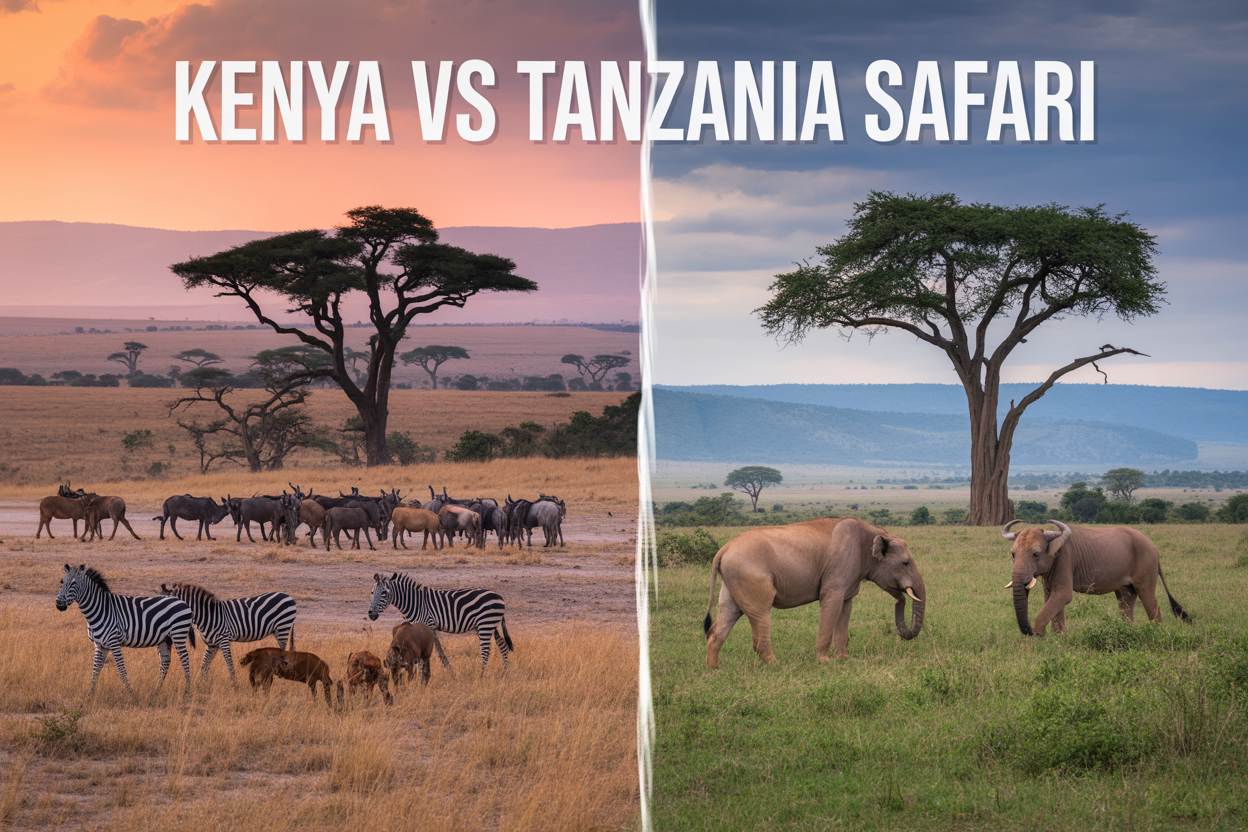
Choosing between Kenya and Tanzania for your African safari adventure can feel overwhelming when both countries offer world-class wildlife experiences. This Kenya vs Tanzania safari comparison is designed for first-time safari travelers and returning wildlife enthusiasts who want to make an informed decision about their East Africa safari destination.
Kenya dazzles with the famous Great Migration in Masai Mara and accessible parks close to Nairobi, while Tanzania captivates with the vast Serengeti plains and the stunning Ngorongoro Crater. Both destinations promise incredible Big Five encounters, but they deliver distinctly different safari experiences that cater to different travel styles and budgets.
We’ll break down the wildlife viewing highlights that set each destination apart, including the epic Serengeti vs Masai Mara showdown that defines East African safaris. You’ll discover honest Safari cost comparisons between Kenya safari prices and Tanzania safari costs, plus practical timing advice for when to visit Kenya Tanzania based on wildlife migrations and weather patterns. We’ll also explore the cultural experiences and logistics that could tip the scales for your African safari planning decision.
Wildlife Viewing Experiences That Define Each Destination
Kenya’s Big Five Encounters in World-Famous Parks
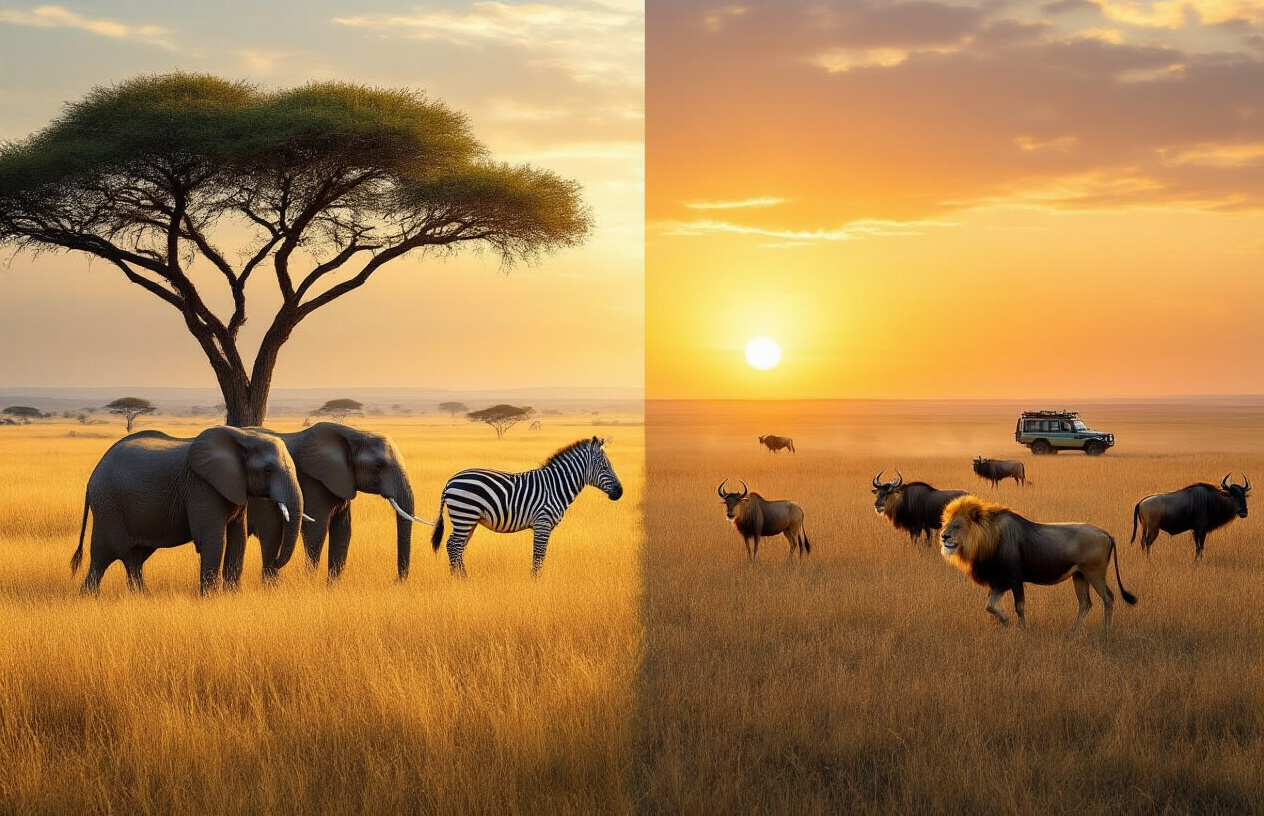
Kenya has built its safari reputation around delivering exceptional Big Five encounters that consistently leave visitors speechless. The Masai Mara stands as the crown jewel, where spotting lions, leopards, elephants, buffalo, and rhinos becomes an almost daily possibility during peak seasons. The reserve’s open savannah and acacia-dotted landscape provide perfect visibility for wildlife photography and game viewing.
Amboseli National Park offers a different Big Five experience, with massive elephant herds roaming against the dramatic backdrop of Mount Kilimanjaro. The park’s diverse ecosystems – from dry lake beds to swamplands – create unique viewing opportunities where elephants, lions, and buffalo congregate around permanent water sources.
Lake Nakuru National Park brings visitors face-to-face with both black and white rhinos in one of Kenya’s most successful conservation stories. The park’s compact size means wildlife encounters happen quickly, and the combination of flamingo-filled lakes and rhino sightings creates unforgettable moments.
Kenya’s Big Five Success Rates:
| Species | Masai Mara | Amboseli | Lake Nakuru |
|---|---|---|---|
| Lion | 95% | 70% | 60% |
| Leopard | 40% | 25% | 35% |
| Elephant | 90% | 99% | 80% |
| Buffalo | 85% | 60% | 70% |
| Rhino | 30% | 15% | 90% |
Tanzania’s Unmatched Wildlife Density in the Serengeti
Tanzania’s Serengeti ecosystem delivers wildlife viewing experiences that simply can’t be matched anywhere else in Africa. The sheer density of animals creates a sensory overload – imagine seeing 30,000 zebras moving across the plains in a single view, accompanied by endless streams of wildebeest and gazelles.
The Serengeti’s wildlife density peaks during the Great Migration, when over 1.5 million wildebeest, 200,000 zebras, and 300,000 Thomson’s gazelles move through the ecosystem. This spectacle attracts massive predator populations, making Tanzania vs Kenya safari comparisons favor Tanzania for predator diversity and numbers.
Ngorongoro Crater functions as a natural wildlife arena, concentrating an incredible 25,000 large mammals within its 100-square-mile floor. Visitors often spot multiple lion prides, large elephant bulls, and dense herds of buffalo and zebra within a single game drive.
Wildlife Density Comparison:
- Serengeti: 4 million mammals across 12,000 square miles
- Ngorongoro Crater: 25,000 large mammals in 100 square miles
- Tarangire: Highest elephant density in East Africa (2,500+ elephants)
Unique Species You’ll Only Find in Each Country
Kenya and Tanzania each harbor endemic species that make choosing between these East Africa safari destinations even more challenging. Kenya’s unique wildlife includes the endangered Grevy’s zebra, found primarily in Samburu National Reserve. These zebras are larger than their plains cousins and sport distinctive narrow stripes and oversized ears.
The Hirola antelope represents Kenya’s most endangered mammal, with fewer than 500 individuals remaining in the wild. Jackson’s hartebeest thrives in Kenya’s central highlands, while the Hunter’s hartebeest roams the northern regions.
Tanzania counters with its own exclusive species lineup. The Pemba flying fox, found only on Pemba Island, ranks among Africa’s largest bats. Abbott’s duiker, a rare forest antelope, inhabits Tanzania’s Eastern Arc Mountains. The country also hosts unique subspecies like the Masai giraffe and Tanzania’s endemic race of cheetahs.
Endemic Species by Country:
Kenya Exclusives:
- Grevy’s zebra
- Hirola antelope
- Jackson’s hartebeest
- Hunter’s hartebeest
Tanzania Exclusives:
- Pemba flying fox
- Abbott’s duiker
- Udzungwa red colobus
- Kipunji monkey
Both countries offer exceptional primate viewing, but Tanzania’s chimpanzee populations in Gombe and Mahale provide experiences unavailable in Kenya. Meanwhile, Kenya’s diverse antelope species, including the gerenuk and lesser kudu, create unique game viewing opportunities in the country’s northern parks.
Safari Costs and Value for Money Comparison
Budget Safari Options in Both Countries
When comparing Kenya vs Tanzania safari options for budget-conscious travelers, both destinations offer surprisingly accessible entry points into African wildlife adventures. Kenya typically edges ahead in budget-friendly opportunities, with camping safaris starting around $150-200 per person per day. The country’s well-developed tourism infrastructure makes group camping safaris particularly economical, especially in the Masai Mara.
Tanzania safari costs for budget options usually range from $200-250 per person daily. While slightly higher, Tanzania compensates with longer game drives and less crowded parks outside peak seasons. Budget accommodations in both countries include basic tented camps, camping sites within national parks, and simple lodges that provide clean beds and hearty meals.
Budget Safari Comparison Table:
| Aspect | Kenya | Tanzania |
|---|---|---|
| Daily Rate | $150-200 | $200-250 |
| Group Size | 6-8 people | 4-6 people |
| Vehicle Type | Pop-up roof | Open-sided 4WD |
| Park Fees | Lower overall | Higher but inclusive |
Budget travelers should consider joining group safaris to split costs. Kenya’s proximity between parks reduces transportation expenses, while Tanzania’s northern circuit offers better wildlife diversity within budget constraints.
Mid-Range Lodge and Camp Pricing Differences
Mid-range safari experiences reveal more nuanced pricing differences between these East African destinations. Kenya safari prices in this category typically range from $300-500 per person per night, including meals, game drives, and park fees. Tanzania’s equivalent offerings usually cost $400-600 per person nightly.
The price gap reflects different value propositions. Kenyan mid-range lodges often feature prime locations near park boundaries, allowing quick access to wildlife areas. Popular options include Mara Serena Safari Lodge and Amboseli Serena Safari Lodge, which combine comfort with strategic positioning.
Tanzanian mid-range accommodations frequently offer more space, privacy, and exclusive game viewing areas. Properties like Serengeti Heritage Camps provide semi-luxury experiences at mid-range prices. The Serengeti’s vastness means less competition for wildlife sightings, justifying higher costs.
Mid-Range Value Factors:
- Location proximity to prime wildlife areas
- Meal quality and dining variety
- Room amenities including en-suite bathrooms and hot water
- Guide expertise and vehicle condition
- Cultural activities and community visits
Kenya’s competitive tourism market drives innovation in mid-range offerings, with many lodges providing unexpected amenities like swimming pools and spa services. Tanzania focuses on authentic bush experiences, often featuring traditional architectural styles and locally-sourced cuisine.
Luxury Safari Experiences and Their Worth
Luxury safari segments showcase dramatic differences in pricing and exclusivity between Kenya and Tanzania. Top-tier Kenyan experiences range from $800-1,500 per person nightly, while Tanzania’s premier lodges command $1,200-2,500 per person per night.
Tanzania’s luxury market positioning reflects its reputation for exclusivity and conservation. Properties like Singita Grumeti and Four Seasons Safari Lodge Serengeti offer private game reserves, personal butlers, and world-class cuisine. These experiences include private aircraft transfers, exclusive wildlife areas, and customized itineraries.
Kenya’s luxury offerings emphasize accessibility and variety. Renowned properties like Giraffe Manor and Angama Mara provide unique experiences – feeding giraffes at breakfast or suspended views over the Mara River. The country’s luxury market benefits from established infrastructure, making remote locations more accessible.
Luxury Safari Investment Comparison:
- Private conservancies with exclusive wildlife viewing
- Premium guides with specialized training and certifications
- Gourmet dining featuring international and local cuisine
- Spa services and wellness amenities
- Cultural immersion with local communities
- Photography support including professional guidance
Both destinations justify premium pricing through conservation contributions. Many luxury lodges support anti-poaching efforts, community development, and wildlife research. Tanzania’s higher prices often reflect larger land concessions and lower guest numbers, creating more intimate wildlife encounters.
Hidden Costs That Impact Your Total Budget
East Africa safari planning requires careful attention to expenses beyond advertised package prices. Both Kenya and Tanzania impose additional costs that significantly impact total budgets.
Tanzania charges substantial park fees – up to $70 per person daily for Serengeti National Park. These fees often aren’t included in quoted prices, creating surprise expenses. Ngorongoro Crater adds another $70 daily, plus vehicle fees and crater service charges. Tanzania safari costs can increase by 30-40% once all park fees are calculated.
Kenya’s park fees are generally lower but vary by destination. Masai Mara conservancies charge separate fees from the national reserve, ranging from $80-120 per person daily. Some Kenya safari prices include conservancy fees, while others list them separately.
Common Hidden Expenses:
- Visa fees: $50 for Kenya, $50-100 for Tanzania
- Travel insurance with evacuation coverage
- Gratuities for guides, drivers, and lodge staff
- Alcoholic beverages at most accommodations
- Cultural visit fees to Maasai villages
- Hot air balloon safaris ($450-500 additional)
- International flights to secondary airports
- Pre and post-safari accommodations
Transportation between parks creates unexpected costs. Tanzania’s northern circuit requires longer drives or domestic flights ($150-300 per person). Kenya’s parks are closer together, reducing internal travel expenses.
Currency fluctuations affect final costs, as many operators quote in US dollars but pay local expenses in shillings. Credit card fees and cash exchange rates can add 3-5% to total costs. Smart travelers budget an additional 20% beyond quoted prices to cover these inevitable extras.
Best Times to Visit for Optimal Safari Experiences
Kenya’s Peak Season Advantages and Crowds
The Great Migration reaches the Masai Mara between July and October, transforming Kenya into a wildlife spectacle like no other. During this peak season, visitors witness massive herds of wildebeest and zebras crossing the Mara River in dramatic fashion. The dry weather makes game viewing exceptionally rewarding as animals congregate around water sources, creating perfect photo opportunities.
Peak season brings incredible advantages for those planning a Kenya vs Tanzania safari comparison. Wildlife density reaches its highest levels, and predator activity intensifies as lions, leopards, and cheetahs follow the migrating herds. The weather remains consistently dry with clear skies, making it ideal for photography and outdoor activities.
However, this prime timing comes with significant drawbacks. Accommodation prices skyrocket during July through September, and popular lodges book months in advance. The Masai Mara can feel overwhelmed with safari vehicles, particularly around river crossings where dozens of trucks compete for the best viewing positions. Airstrip transfers become more expensive, and spontaneous travel becomes nearly impossible without substantial budget flexibility.
Peak Season Booking Timeline:
- Reserve accommodations 6-9 months ahead
- Expect 40-60% higher rates compared to low season
- Internal flights book up 3-4 months in advance
Tanzania’s Weather Patterns and Wildlife Movements
Tanzania operates on different seasonal rhythms that smart travelers can leverage for their East Africa safari planning. The country experiences two distinct dry seasons: the long dry period from June to October and a shorter dry spell from December to March. Each offers unique advantages for wildlife enthusiasts.
The Serengeti’s endless plains tell different stories throughout the year. From December to March, massive herds gather in the southern Serengeti for the calving season. This period delivers incredible predator action as newborn animals attract lions, hyenas, and wild dogs. The landscape remains lush and green, creating stunning photographic backdrops that contrast beautifully with the dry season imagery most people expect.
April and May bring the long rains, transforming the Serengeti into a verdant paradise. While some camps close during this period, those that remain open offer exceptional value and minimal crowds. Wildlife viewing remains excellent, particularly in permanently watered areas like the Seronera region.
The northern Serengeti mirrors Kenya’s peak season from July to October when the migration reaches the Mara River. Unlike the Masai Mara, vehicle congestion remains more manageable, and the vast Serengeti landscape provides numerous alternative viewing locations.
Tanzania’s Seasonal Wildlife Calendar:
- December-March: Calving season in southern Serengeti
- April-May: Green season with lower prices
- June-October: Northern migration and river crossings
- November: Short rains and excellent value
Off-Season Benefits for Budget-Conscious Travelers
Savvy travelers discover that East Africa’s shoulder seasons offer remarkable value without sacrificing wildlife experiences. Tanzania’s green season (April-May) provides the best opportunity for budget-conscious safari planning. Lodge rates drop by 30-50%, and many properties include special packages with complimentary services.
Kenya’s shoulder seasons (November-December and March-May) present similar opportunities. While the short rains in November can create muddy conditions, they also bring fewer tourists and dramatic storm photography opportunities. Wildlife remains abundant, and many animals give birth during these periods, creating touching family scenes.
The rainy seasons shouldn’t deter serious wildlife enthusiasts. Animals don’t disappear during these months; they simply disperse across larger areas. This creates opportunities for more intimate sightings away from popular tourist circuits. Bird watching reaches its peak during rainy seasons as migratory species arrive and local birds display breeding plumage.
Off-Season Advantages:
- Accommodation savings of 30-60%
- Minimal vehicle congestion at popular sites
- Enhanced photographic opportunities with dramatic skies
- Greater flexibility in booking premium lodges
- More personalized service from guides and staff
Budget travelers can stretch their safari dollars significantly by choosing shoulder season travel. The money saved on accommodation can fund longer stays, premium lodges that would otherwise be unaffordable, or additional activities like cultural visits and walking safaris. Many travelers find these quieter periods more authentic and rewarding than the sometimes overwhelming peak season experience.
Weather apps and local knowledge become essential tools for maximizing off-season safaris. Short afternoon showers often clear quickly, and morning game drives typically enjoy excellent conditions regardless of season.
Iconic Parks and Reserves That Make the Difference
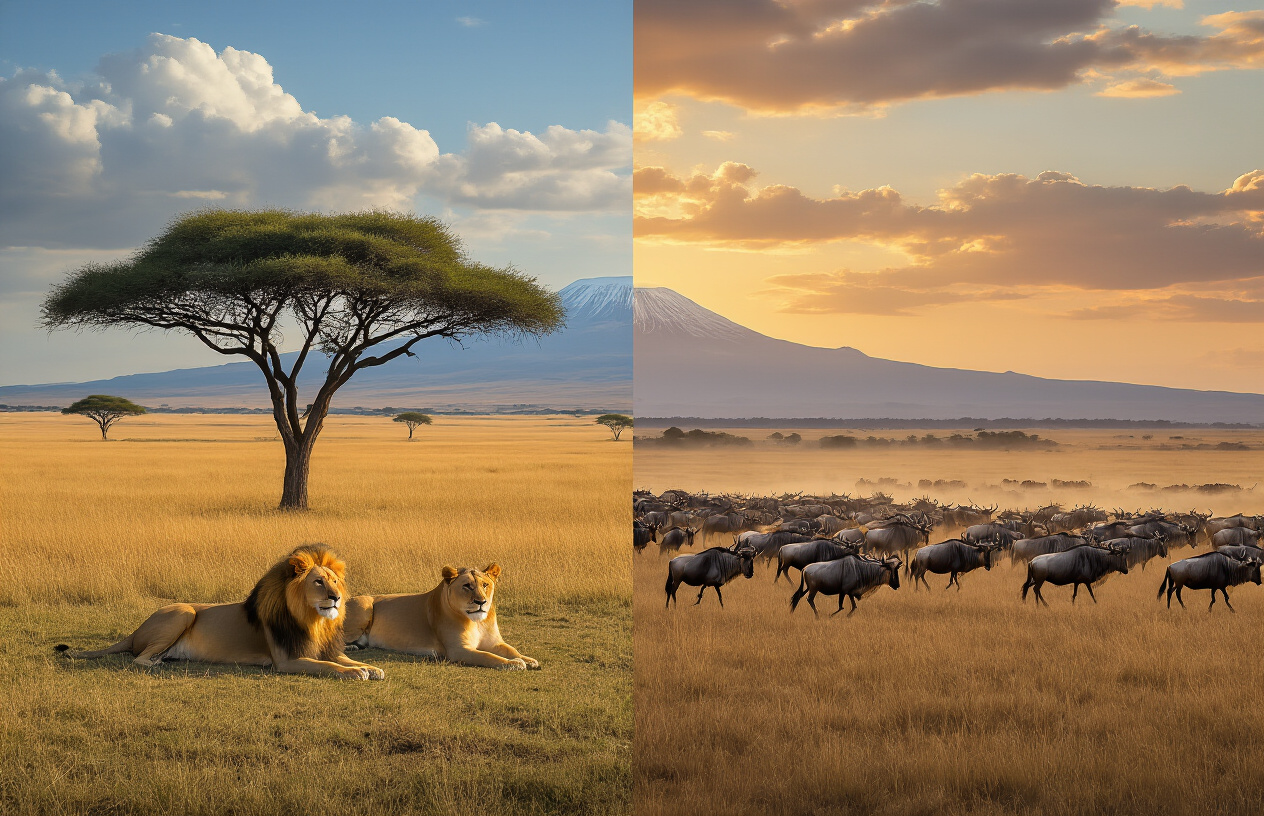
Kenya’s Masai Mara vs Tanzania’s Serengeti National Park
The Kenya vs Tanzania safari debate often centers on these two legendary parks, and for good reason. The Masai Mara and Serengeti form one continuous ecosystem, yet each offers distinct advantages that can make or break your African safari experience.
The Serengeti National Park sprawls across 14,750 square kilometers of Tanzanian wilderness, making it significantly larger than Kenya’s Masai Mara Reserve at 1,510 square kilometers. This size difference translates into dramatically different experiences. The Serengeti’s vastness means fewer crowds and more pristine wilderness encounters, while the Masai Mara’s compact nature concentrates wildlife viewing opportunities.
Wildlife density tells an interesting story. The Masai Mara boasts higher predator concentrations per square kilometer, particularly during the Great Migration months of July through October. You’ll spot lions, leopards, and cheetahs more frequently here. The Serengeti counters with sheer numbers – hosting over 1.3 million wildebeest and 250,000 zebras year-round, compared to the Masai Mara’s seasonal populations.
Accessibility and infrastructure create another key distinction. The Masai Mara sits just 270 kilometers from Nairobi, making it perfect for shorter safaris. Multiple airstrips serve the reserve, and road conditions remain generally good. The Serengeti requires more commitment – flights from Arusha or longer drives through challenging terrain, but this difficulty keeps visitor numbers lower.
Vehicle restrictions differ significantly between these parks. The Masai Mara allows off-road driving in many areas, enabling closer wildlife encounters and better photography angles. The Serengeti strictly enforces road-only policies, protecting the environment but sometimes limiting viewing opportunities.
Tanzania’s Ngorongoro Crater Unique Appeal
The Ngorongoro Crater stands alone as Africa’s most extraordinary wildlife amphitheater. This collapsed volcanic caldera creates a natural sanctuary where over 25,000 large mammals live within 260 square kilometers of crater floor.
What makes Ngorongoro special isn’t just its stunning scenery – it’s the guaranteed wildlife encounters. The crater’s walls act as natural barriers, keeping animals within this Eden-like environment year-round. You’ll see the Big Five in a single day more reliably here than anywhere else in East Africa.
The crater floor supports one of Africa’s densest lion populations, with approximately 62 lions calling this area home. Black rhinos, critically endangered elsewhere, thrive here with a population of around 30 individuals. Hippo pools dot the crater floor, while flamingos paint the soda lakes pink during certain seasons.
Photography opportunities in Ngorongoro are unmatched. The dramatic crater walls provide stunning backdrops, while the open grasslands offer clear sightlines for wildlife shots. Golden hour lighting creates magical conditions as the sun rises over the crater rim.
The cultural component adds another layer to Ngorongoro’s appeal. Maasai communities continue traditional pastoralism within the conservation area, creating authentic cultural encounters alongside wildlife viewing. This human-wildlife coexistence model is rare and fascinating.
Kenya’s Amboseli Elephant Experiences
Amboseli National Park delivers Kenya’s most iconic elephant experiences against the dramatic backdrop of Mount Kilimanjaro. This park hosts approximately 1,600 elephants, one of Kenya’s largest populations, and these gentle giants have become remarkably habituated to vehicles.
The Amboseli elephant research project, running since 1972, has created an environment where elephants show minimal fear of safari vehicles. You’ll witness natural behaviors – mud bathing, family interactions, and feeding patterns – from surprisingly close distances. Multi-generational elephant families roam the park, with matriarchs leading groups of up to 30 individuals.
Kilimanjaro’s snow-capped peak provides a surreal backdrop for elephant photography. Clear morning conditions offer the best mountain views, while elephants are most active during cooler hours. This combination creates those postcard-perfect African safari images.
The park’s ecosystem diversity supports various habitats within 392 square kilometers. Swamplands provide year-round water sources, acacia woodlands offer shade and browsing, and open grasslands enable excellent game viewing. Each habitat attracts different wildlife species, from waterbirds in the wetlands to predators on the plains.
Lesser-Known Gems in Both Countries
Tanzania’s hidden treasures include Ruaha National Park, Tanzania’s largest park covering 20,226 square kilometers. Ruaha hosts Africa’s largest elephant population – over 15,000 individuals – yet receives a fraction of Serengeti’s visitors. The park’s remote location and limited infrastructure keep crowds away while offering exceptional predator viewing.
Katavi National Park represents Tanzania’s wild frontier. During dry season, hippo pools become overcrowded spectacles with hundreds of hippos and crocodiles sharing shrinking water sources. Buffalo herds numbering thousands congregate around remaining waterholes, attracting massive lion prides.
Kenya’s hidden gems include Samburu National Reserve, where unique northern species thrive. Grevy’s zebras, reticulated giraffes, and Somali ostriches create a distinctly different safari experience. The Ewaso Ng’iro River supports diverse wildlife in this semi-arid landscape.
Laikipia Plateau combines wildlife conservation with innovative tourism models. Private conservancies here protect rare species like Jackson’s hartebeest and wild dogs while offering intimate safari experiences. Night drives, walking safaris, and community interactions aren’t possible in traditional national parks.
Tsavo East and West form one of the world’s largest protected ecosystems, covering 22,000 square kilometers. These parks offer true wilderness experiences with minimal infrastructure and tourist presence, perfect for adventurous travelers seeking authentic African wilderness encounters.
Cultural Experiences Beyond Wildlife Viewing
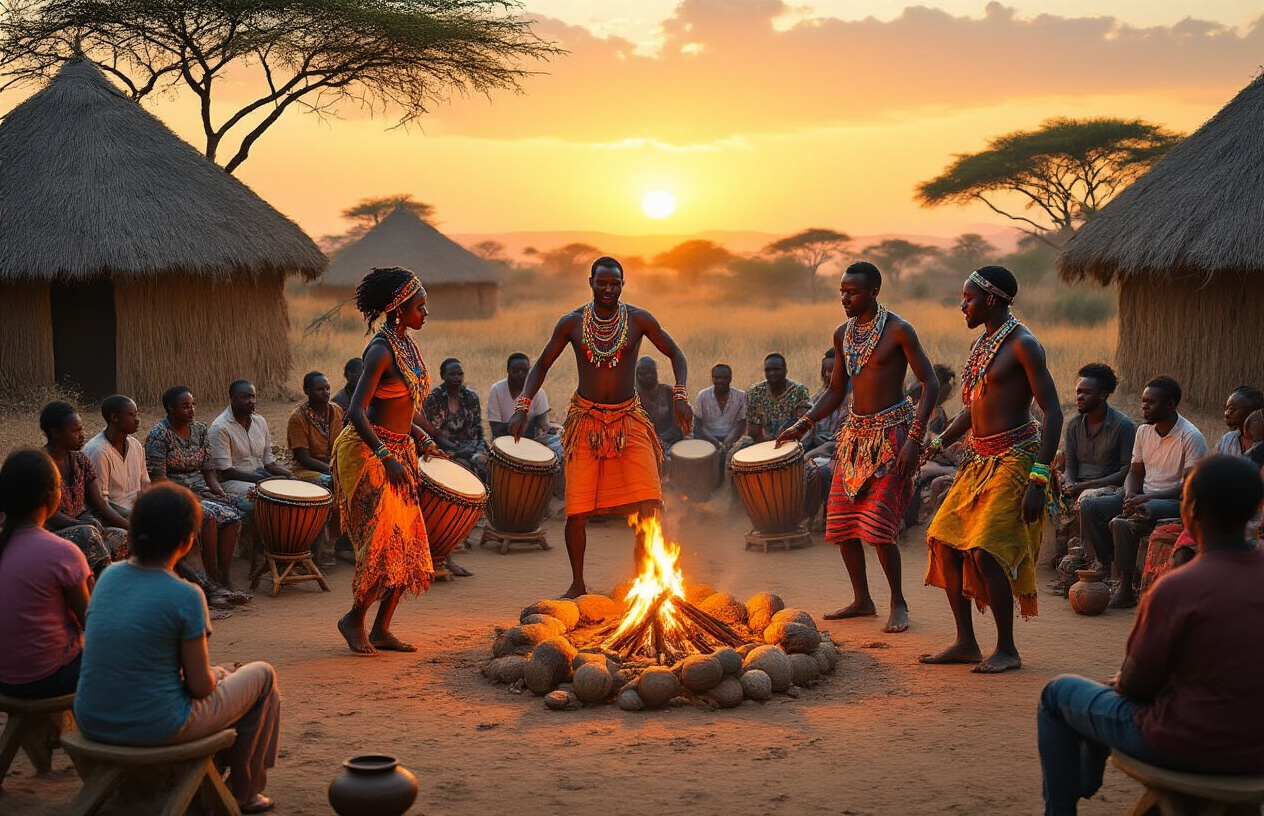
Maasai Village Visits and Authentic Interactions
Both Kenya and Tanzania offer incredible opportunities to connect with the iconic Maasai people, but the experiences differ significantly between the two countries. In Kenya, particularly around the Masai Mara region, you’ll find numerous Maasai villages that welcome visitors for cultural exchanges. These visits typically include traditional jumping dances, demonstrations of fire-making techniques, and insights into pastoralist lifestyles that have remained largely unchanged for centuries.
Tanzania’s approach to Maasai cultural tourism tends to be more structured and community-controlled. The northern circuit near Arusha and the Ngorongoro Conservation Area provides authentic interactions where Maasai guides share stories about their relationship with wildlife and explain how traditional knowledge helps them coexist with lions and elephants. Many Tanzania safari packages include visits to bomas (traditional homesteads) where you can witness cattle herding practices and learn about the complex social structures that govern Maasai society.
The key difference lies in authenticity levels. While both destinations offer genuine experiences, Tanzania’s community tourism initiatives often feel less commercialized, with stricter regulations ensuring that cultural visits benefit local communities directly rather than external operators.
Local Community Tourism Opportunities
Kenya’s community tourism scene extends far beyond the Maasai. The Samburu region in northern Kenya offers encounters with the colorful Samburu people, known for their distinctive red clothing and intricate beadwork. These communities have developed sophisticated eco-tourism programs that combine wildlife conservation with cultural preservation.
Tanzania shines in its diversity of ethnic groups available for cultural tourism. The Hadzabe people near Lake Eyasi provide one of the world’s last authentic hunter-gatherer experiences. You can join traditional hunting expeditions using handmade bows and arrows, learning ancient tracking techniques that have sustained these communities for thousands of years. The Datoga blacksmiths in the same region demonstrate metalworking skills passed down through generations.
Both countries have embraced community conservancies where local people manage wildlife areas while maintaining traditional practices. Kenya’s Laikipia region exemplifies this model, where Maasai communities work as wildlife guides and conservationists. Tanzania’s village land forest reserves allow you to experience community-based forest management while learning about traditional medicine and sustainable harvesting practices.
Traditional Food and Cultural Immersion Options
Culinary experiences form a crucial part of cultural immersion in both destinations. Kenya’s highland regions offer coffee plantation tours where you can participate in harvesting and roasting processes while learning about the economic importance of coffee to local communities. Traditional Kenyan meals often center around ugali (cornmeal staple) accompanied by sukuma wiki (collard greens) and nyama choma (grilled meat).
Tanzania’s food culture reflects its position as a historical trading hub. Coastal influences from Arab and Indian traders create unique fusion dishes. In Stone Town, Zanzibar, you can join cooking classes that teach how to prepare pilau rice, biryani, and various coconut-based curries. The mainland offers opportunities to learn traditional brewing techniques for local beers made from millet and sorghum.
Both countries provide homestay opportunities where you live with local families, sharing meals and daily activities. These experiences offer unfiltered glimpses into rural life, from dawn cattle milking to evening storytelling sessions around cooking fires.
Art and Craft Shopping Experiences
Kenya’s craft markets buzz with creativity, particularly in Nairobi’s Maasai Market and coastal Lamu’s artisan workshops. Soapstone carvings from Kisii, wooden sculptures from the Akamba people, and intricate beadwork represent generations of artistic tradition. Many workshops allow you to try your hand at these crafts under expert guidance.
Tanzania’s artistic heritage shines through its Tingatinga paintings, named after founder Edward Said Tingatinga. These colorful works depicting African wildlife and village life have become internationally recognized. You can visit artist cooperatives in Dar es Salaam and Arusha where painters work on canvases while explaining their techniques and cultural significance behind each piece.
Both destinations offer ethical shopping opportunities where purchases directly support artisan communities. Look for fair trade cooperatives and women’s groups that use traditional techniques to create contemporary items like jewelry, textiles, and home decorations.
Practical Travel Considerations for Your Decision
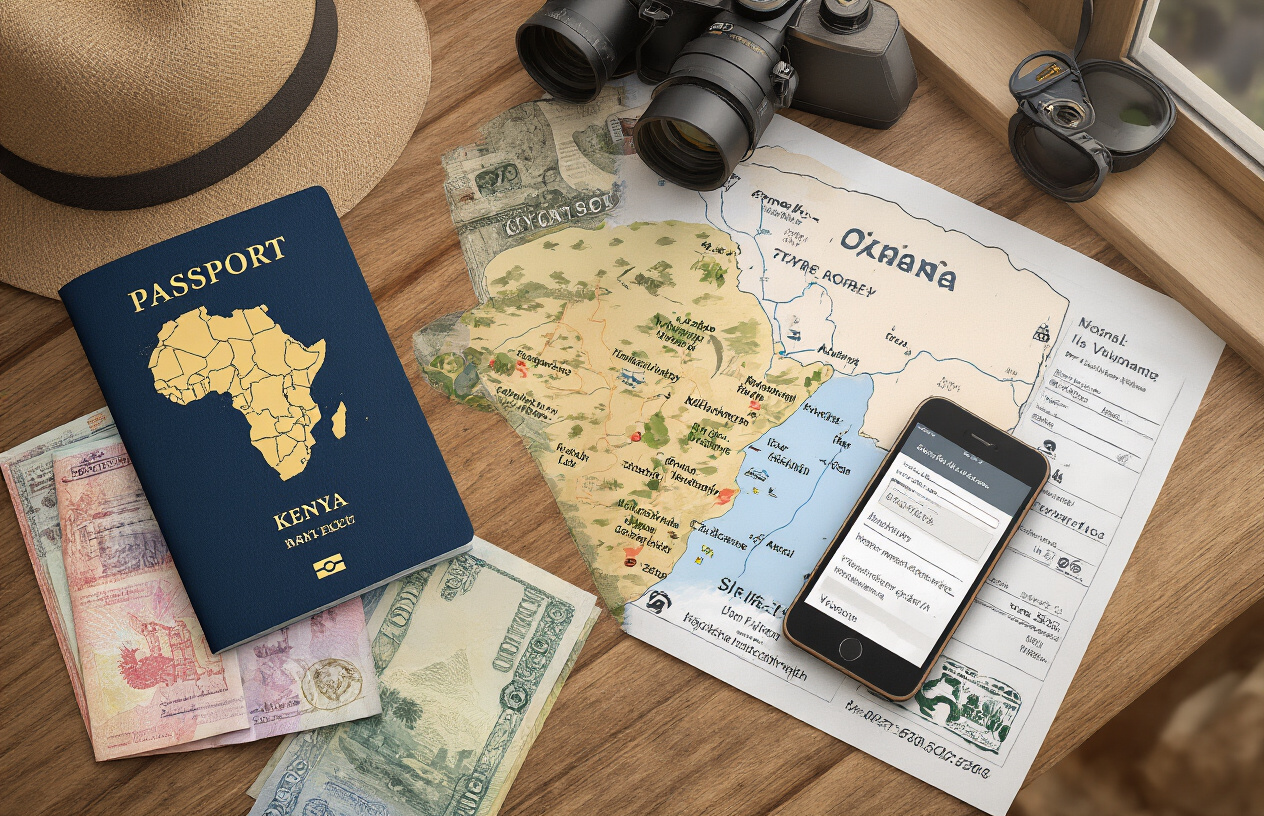
Visa Requirements and Border Crossing Ease
Getting into Kenya and Tanzania involves different visa processes that can significantly impact your safari planning. Kenya offers an Electronic Travel Authorization (ETA) system that replaced their previous eVisa program in 2024. The process takes 3-7 business days and costs $30 for most nationalities. Tanzania provides both visa on arrival and online eVisa options, with fees ranging from $50-100 depending on your nationality and intended length of stay.
American travelers face higher costs in Tanzania, paying $100 for a single-entry visa compared to Kenya’s flat $30 fee. European visitors typically pay $50 in Tanzania. The online application processes for both countries are straightforward, though Kenya’s newer ETA system tends to be faster and more reliable.
Border crossings between the two countries have become increasingly streamlined. The Namanga border post between Kenya’s Amboseli and Tanzania’s Arusha region operates efficiently, with most crossings taking 30-60 minutes during normal hours. The Sirari border near the Serengeti can get congested during peak safari seasons, so factor in extra time if you’re planning a multi-country safari.
East Africa’s single tourist visa, when available, allows visitors to explore Kenya, Tanzania, and Uganda with one document costing $100. However, this program has faced intermittent suspensions, so verify availability before making plans.
Flight Accessibility and Airport Quality
Jomo Kenyatta International Airport (NBO) in Nairobi serves as East Africa’s primary aviation hub, offering superior international connectivity compared to Tanzania’s options. Major airlines including KLM, Qatar Airways, Emirates, Turkish Airlines, and British Airways provide multiple daily flights to Nairobi from Europe, Asia, and the Middle East. Direct flights from the United States are limited but improving, with Kenya Airways operating routes from New York.
Tanzania’s main gateway, Julius Nyerere International Airport (DAR) in Dar es Salaam, handles fewer international flights and often requires connections through Middle Eastern or European hubs. Kilimanjaro International Airport (JRO), closer to the northern safari circuit, receives some direct international flights but has more limited options than Nairobi.
Regional airports make a significant difference for safari access. Kenya’s Wilson Airport in Nairobi serves as a hub for domestic flights to Masai Mara, Amboseli, and Samburu. Tanzania’s Arusha Airport provides better access to Serengeti and Ngorongoro, while Seronera Airport inside Serengeti National Park offers unparalleled convenience for safari travelers willing to pay premium prices for charter flights.
Airport facilities favor Kenya overall. NBO features modern terminals, reliable WiFi, decent dining options, and efficient customs processing. Tanzania’s airports, while functional, generally offer more basic amenities and can experience longer processing times during peak seasons.
Road Conditions and Transportation Options
Road infrastructure presents a mixed picture for both Kenya vs Tanzania safari destinations. Kenya’s main safari routes between Nairobi and Masai Mara via Narok have seen significant improvements, with mostly paved roads reducing travel time to 4-5 hours. However, the final stretch into many Masai Mara camps still involves rough murram roads that can become challenging during rainy seasons.
Tanzania’s northern circuit roads between Arusha and major parks like Serengeti and Ngorongoro have undergone substantial upgrades. The road to Ngorongoro Crater rim is now fully paved, while access into Serengeti involves well-maintained dirt roads suitable for most safari vehicles year-round.
Transportation options vary significantly between destinations. Kenya offers more diverse choices, from budget matatu (shared van) services to luxury shuttle buses connecting Nairobi to safari areas. Self-drive options are viable for experienced travelers, with reliable vehicle rental services available.
Tanzania’s transportation network centers around organized tours and private transfers. Self-driving requires more preparation due to navigation challenges and park regulations. Many Tanzania safari areas mandate specific vehicle types or local guides, limiting independent travel options.
Flying between parks represents the premium option in both countries. Kenya’s domestic aviation network connects most major parks within 1-2 hours, while Tanzania offers similar services with particularly good connections to remote areas like Ruaha and Selous. Charter flights provide ultimate flexibility but cost significantly more than road transfers.
Both countries’ park roads can become challenging during rainy seasons, particularly April-May and November. Tanzania’s clay soils in Serengeti can create especially difficult conditions, while Kenya’s higher elevation parks like Aberdares may face access restrictions during heavy rains.
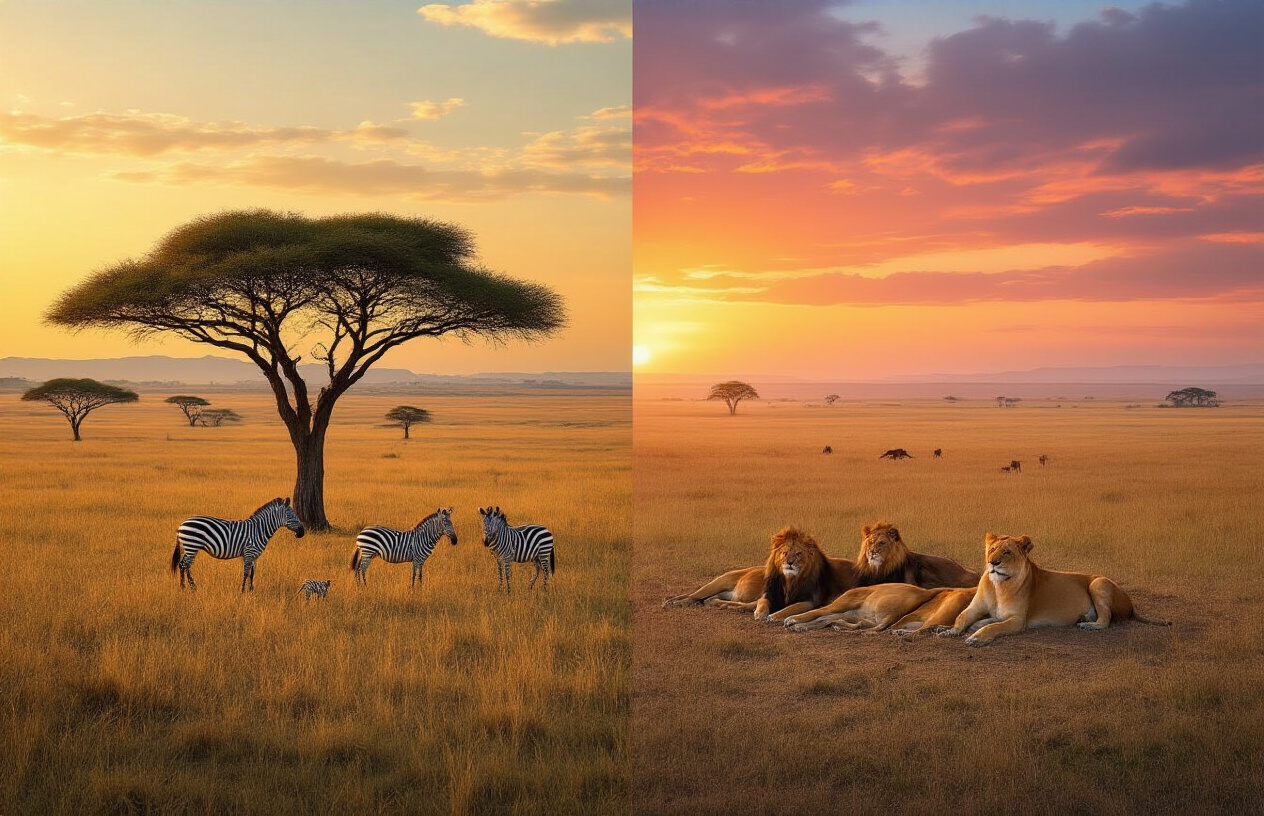
Both Kenya and Tanzania offer incredible safari experiences that will leave you with memories to last a lifetime. Kenya shines with its world-famous Masai Mara and the spectacular wildebeest migration, while Tanzania boasts the vast Serengeti, the stunning Ngorongoro Crater, and Africa’s highest peak. When it comes to costs, Tanzania typically runs higher, but many travelers find the investment worthwhile for its less crowded parks and diverse landscapes. Kenya offers better value for budget-conscious safari-goers and easier logistics with shorter travel distances between parks.
The truth is, you can’t really go wrong with either destination. Kenya works best if you want classic safari experiences, easier travel, and lower costs, especially during the Great Migration season from July to October. Choose Tanzania if you’re after more remote wilderness experiences, don’t mind spending extra for exclusivity, and want to combine your safari with cultural visits or a Kilimanjaro climb. Think about what matters most to you – your budget, travel style, and must-see wildlife – then pick the country that matches your safari dreams. Either way, you’re in for an amazing African adventure.
🌍 PROBE AFRICA SAFARIS
Affordable • Authentic • Unforgettable
━━━━━━━━━━━━━━━━━━━━━━━
Your Dream East African Safari Starts Here
Experience the beauty of Africa without breaking your budget. From thrilling wildlife encounters to breathtaking landscapes, we create unforgettable safari experiences tailored just for you.
Whether you’re dreaming of the Big Five, the Great Migration, or gorilla trekking — we make it happen, affordably.
📞 Call / WhatsApp
(+254) 741 017 793 | 706 265 710
📧 Email
info@probeafricasafaris.com
probeafricasafarisltd@gmail.com
🌐 Website
www.probeafricasafaris.com