


How to Plan Your First East Africa Safari Without Breaking the Bank
Planning your first East Africa safari doesn’t have to drain your savings account. This guide is for budget-conscious travelers who dream of witnessing the Great Migration, spotting the Big Five, and exploring iconic national parks without the luxury price tag.
Smart safari planning can save you thousands while still delivering unforgettable wildlife experiences. You’ll discover how to choose destinations that offer maximum bang for your buck and learn the insider secrets of timing your trip for the best deals. We’ll also show you how to find accommodations that balance comfort with cost-effectiveness, giving you more money to spend on the experiences that matter most.
Ready to turn your East African safari dreams into reality? Let’s break down the strategies that make this incredible adventure accessible on any budget.
Choose the Most Cost-Effective East African Destinations
Compare Safari Prices Across Kenya, Tanzania, and Uganda
Kenya typically sits at the higher end of safari costs, especially when visiting famous destinations like Masai Mara during peak season. Daily park fees range from $60-80 per person, while accommodations can easily exceed $300 per night for mid-range lodges. Tanzania follows closely behind, with Serengeti and Ngorongoro Conservation Area commanding premium prices due to their world-renowned wildlife concentrations.
Uganda emerges as the budget-friendly champion for traditional safari experiences. Park entrance fees hover around $40 per day, and quality accommodations start at $150 per night. The country offers exceptional value for wildlife viewing, particularly in Queen Elizabeth National Park and Murchison Falls, where you’ll encounter the same Big Five animals at significantly lower costs.
| Country | Daily Park Fees | Mid-Range Accommodation | Budget Advantage |
|---|---|---|---|
| Kenya | $60-80 | $300+ | Lowest |
| Tanzania | $50-70 | $250-400 | Medium |
| Uganda | $35-45 | $150-250 | Highest |
Uganda’s favorable exchange rate makes your dollars stretch further, while Kenya and Tanzania’s tourism infrastructure comes with premium pricing. Smart travelers often combine countries, starting with Uganda’s affordability before splurging on Kenya’s iconic experiences.
Target Lesser-Known National Parks for Lower Entrance Fees
Skip the celebrity parks and discover Africa’s hidden gems where entrance fees drop by 40-60%. Kenya’s Samburu National Reserve offers incredible wildlife diversity at $25 per day compared to Masai Mara’s $80. You’ll still see elephants, leopards, and unique northern species like Grevy’s zebras without the crowds or inflated prices.
Tanzania’s Ruaha National Park provides an authentic safari experience for $30 daily versus Serengeti’s $70. This massive park hosts one of Africa’s largest elephant populations and offers unparalleled predator sightings with minimal tourist traffic. The reduced fees allow you to extend your stay or upgrade accommodations within the same budget.
Uganda’s hidden treasures include Kidepo Valley National Park, where $35 grants access to pristine wilderness that rivals any premium destination. The park’s remote location keeps costs low while delivering spectacular game drives and cultural encounters with local communities.
Budget-friendly park alternatives:
- Lake Mburo National Park (Uganda): $35/day
- Tsavo East/West (Kenya): $22/day
- Tarangire National Park (Tanzania): $45/day
- Aberdare National Park (Kenya): $26/day
These lesser-known destinations often provide more intimate wildlife encounters and authentic African experiences while keeping your budget intact.
Consider Rwanda for Gorilla Trekking Value Alternatives
Rwanda revolutionized gorilla trekking accessibility despite higher permit costs ($1,500 vs Uganda’s $700). The value proposition lies in Rwanda’s efficiency and shorter travel times. Volcanoes National Park sits just 2.5 hours from Kigali airport, eliminating expensive multi-day transfers that can add $200-400 to Uganda trips.
Rwanda’s well-maintained infrastructure means lower accommodation and transportation costs outside the permit fee. Comfortable guesthouses start at $80 per night compared to Uganda’s remote lodge requirements. The country’s compact size allows same-day travel, reducing overall trip duration and associated expenses.
The gorilla trekking experience itself offers superior value in Rwanda. Shorter, less strenuous hikes mean accessibility for all fitness levels, while Uganda’s longer treks might require porter fees ($15-20) and specialized gear rentals. Rwanda’s habituated gorilla families are typically easier to locate, maximizing your guaranteed encounter time.
Rwanda vs Uganda gorilla trekking costs:
- Permit: Rwanda $1,500 | Uganda $700
- Accommodation: Rwanda $80-150 | Uganda $200-400
- Transport: Rwanda $50-100 | Uganda $150-300
- Total 3-day trip: Rwanda $2,000 | Uganda $1,800
While Rwanda’s permits cost more upfront, the total trip expense often equalizes due to reduced logistics costs and time efficiency.
Evaluate Seasonal Pricing Differences by Country
East Africa’s seasonal pricing patterns create massive savings opportunities for flexible travelers. The dry season (June-October) commands peak prices across all countries, with accommodation rates increasing 50-100% and tour operators charging premium fees.
Uganda maintains the most stable year-round pricing, with only 20-30% seasonal variations. This consistency makes it ideal for budget planning, regardless of travel dates. Tanzania shows the most dramatic swings, where Serengeti lodges can cost $800 per night during migration season but drop to $200 during April-May rains.
Kenya’s shoulder seasons (March-May, November) offer the best value propositions. Masai Mara accommodations drop 40-60% during these periods, while wildlife viewing remains excellent. The short rains in November provide lush landscapes and active wildlife without the peak season crowds.
Seasonal savings by country:
- Kenya: 60% savings during long rains (March-May)
- Tanzania: 70% savings during wet season (March-May)
- Uganda: 30% savings during rainy seasons (March-May, October-November)
- Rwanda: 25% savings during long rains (February-May)
Planning around shoulder seasons unlocks premium experiences at budget prices. Many travelers discover that “low season” offers superior wildlife photography opportunities with dramatic skies and fewer vehicles competing for animal sightings.
Master the Art of Budget Safari Timing
Book during shoulder seasons for significant savings
East Africa’s shoulder seasons offer the sweet spot between weather, wildlife viewing, and your wallet. These periods – typically April to May and November – deliver safari experiences at 30-50% lower costs than peak season rates.
The short rains from November to December create lush landscapes perfect for photography, while April and May’s longer rainy season brings dramatic skies and fewer crowds. Many lodges slash their prices during these months, desperate to fill rooms that would otherwise sit empty.
Wildlife doesn’t disappear during shoulder seasons – animals still need water and food year-round. You’ll encounter resident species like elephants, buffalos, and predators, plus enjoy uncrowded game drives where you might be the only vehicle at a leopard sighting.
Shoulder Season Benefits:
- Accommodation rates drop by 30-50%
- Flight prices decrease significantly
- Fewer tourists mean better wildlife photography opportunities
- Guides provide more personalized attention
- Restaurant reservations are easier to secure
Avoid peak migration periods when prices soar
The Great Migration commands premium pricing from June through October when millions of wildebeest and zebras cross the Mara River. Hotels triple their rates, flights become scarce, and tour operators charge maximum fees during this wildlife spectacle.
July and August represent the absolute peak, with some luxury lodges charging $800+ per night compared to $300 during quieter months. Game drives become crowded affairs with dozens of vehicles surrounding river crossings, diminishing the authentic safari experience many first-timers expect.
Consider visiting migration areas during February and March instead. The herds calve in the southern Serengeti, creating incredible predator-prey interactions without the crowds or inflated prices. Young animals taking their first steps provide equally compelling viewing at fraction of the cost.
Peak Season Price Comparison:
| Month | Lodge Rate | Flight Cost | Tour Price |
|---|---|---|---|
| July | $800/night | $1,200 | $350/day |
| April | $300/night | $800 | $180/day |
| November | $250/night | $750 | $160/day |
Take advantage of last-minute deals from tour operators
Safari operators often slash prices 2-4 weeks before departure dates to fill remaining spots. These deals can save 40-60% off published rates, making luxury safaris accessible on budget traveler budgets.
Local operators in Nairobi, Arusha, and Kampala maintain WhatsApp groups and email lists for last-minute availability. Sign up with multiple operators and stay flexible with your dates to catch the best deals. Ground operators particularly struggle to fill spots during shoulder seasons and offer deep discounts to avoid running tours with empty seats.
Travel insurance becomes essential when booking last-minute deals, as you’ll have less time to adjust plans if situations change. However, the savings often justify this small additional cost.
Last-Minute Deal Strategies:
- Follow safari operators on social media for flash sales
- Join email lists of 5-6 reputable operators
- Maintain flexible travel dates within a 3-month window
- Book accommodation separately to avoid package markups
- Consider joining existing group tours rather than private options
Select Accommodation That Maximizes Value
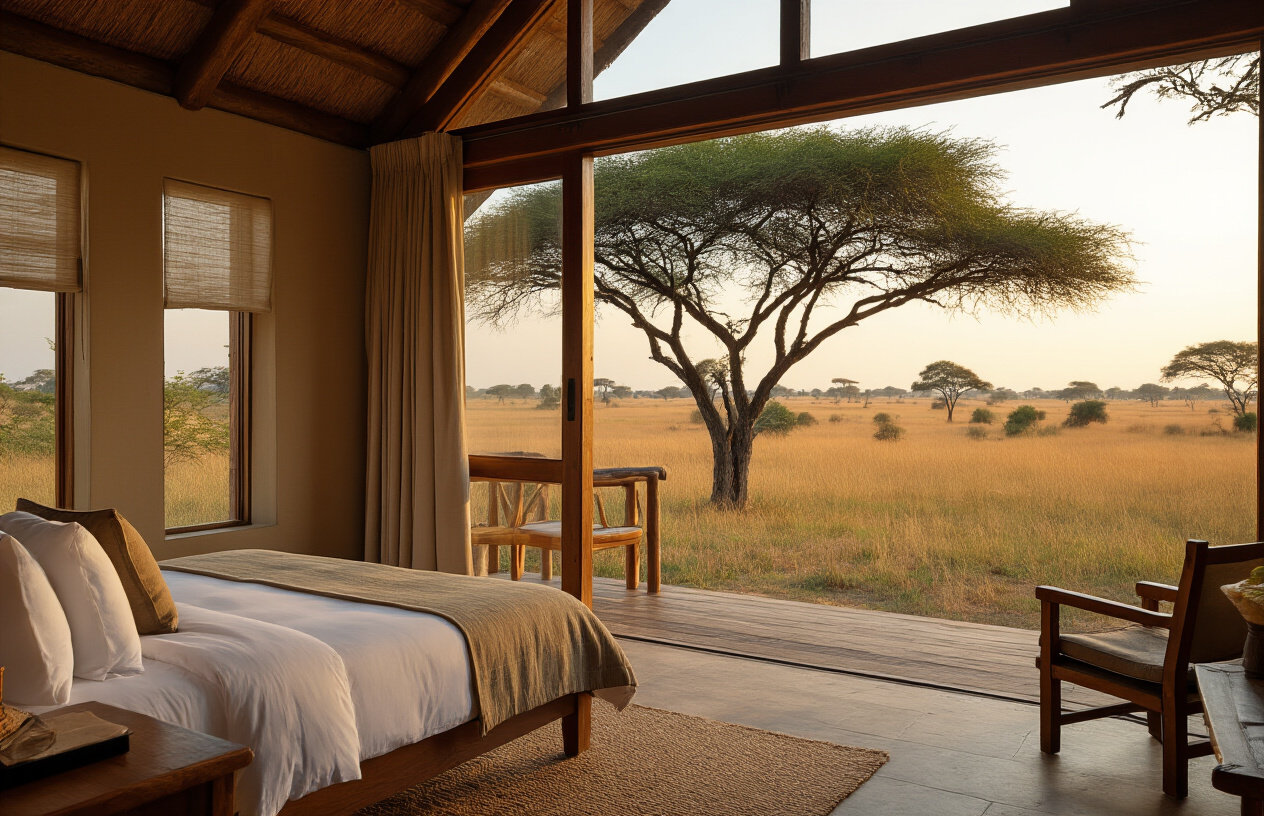
Choose Budget-Friendly Safari Lodges Over Luxury Camps
Budget safari lodges offer incredible value without sacrificing the authentic African experience. These lodges typically cost $50-150 per person per night compared to luxury camps that can run $800-2000. Most budget lodges include meals, game drives, and comfortable accommodations with essential amenities like hot water, electricity, and mosquito nets.
Look for lodges that partner with local communities or operate as social enterprises. These establishments often provide better value because they focus on experiences rather than luxury amenities. Many budget lodges employ local guides who possess intimate knowledge of wildlife patterns and local culture, creating more meaningful encounters than their expensive counterparts.
When booking, compare what’s included in the package. Some budget lodges include park fees, all meals, and unlimited game drives, while others charge separately. Always read reviews from recent guests to gauge service quality and wildlife viewing opportunities.
Consider Camping Options Within National Parks
Camping inside national parks puts you closest to wildlife at the lowest cost, typically ranging from $10-30 per person per night. Many parks offer designated camping areas with basic facilities like shared bathrooms, fire pits, and sometimes cooking areas.
Public campsites in parks like Masai Mara, Serengeti, and Queen Elizabeth provide incredible wildlife experiences. You’ll hear lions roaring at night and wake up to elephants grazing nearby. Most campsites rent basic equipment if you don’t have your own gear.
Special campsites offer more privacy and better facilities for slightly higher fees ($20-50 per night). These sites often include private bathrooms and sometimes dining areas. Book special campsites well in advance, especially during peak migration periods.
Safety remains paramount when camping. Always follow park guidelines, store food properly to avoid attracting animals, and never leave your tent unattended with food inside. Many budget travelers team up with others to share camping costs and enhance safety.
Book Self-Catering Accommodations to Reduce Meal Costs
Self-catering options can cut your food expenses by 60-70% compared to full-board accommodations. Many safari destinations offer cottages, guesthouses, or apartment-style lodging with kitchen facilities. This approach works particularly well for families or groups staying multiple nights in one location.
Stock up on supplies in major towns before heading to remote areas. Local markets offer fresh produce, while supermarkets provide packaged goods and cooking essentials. Bring non-perishable items from home if possible, as imported goods can be expensive in safari areas.
| Self-Catering Benefits | Traditional Lodge Meals |
|---|---|
| $10-20 per person/day | $40-80 per person/day |
| Choose meal timing | Fixed dining schedule |
| Dietary restrictions easily managed | Limited menu options |
| Cook local ingredients | Standard tourist fare |
Many self-catering accommodations provide basic cooking equipment, but confirm what’s included before arrival. Pack essentials like a good knife, cutting board, and favorite spices to make meal preparation easier.
Research Community-Run Conservancies for Authentic Experiences
Community conservancies offer unique combinations of affordable accommodation and meaningful cultural exchange. These conservancies, managed by local Maasai, Samburu, or other communities, typically charge $30-80 per person per night while supporting wildlife conservation and local livelihoods.
Community conservancies provide access to areas outside national parks, often with fewer tourists and more personalized experiences. You’ll enjoy guided walks, cultural visits, and traditional meals while supporting conservation efforts directly. Many conservancies offer camping options or simple banda accommodations.
These experiences include authentic cultural activities like beadwork lessons, traditional cooking classes, and storytelling around campfires. Community guides share ancestral knowledge about wildlife behavior, medicinal plants, and traditional hunting techniques that commercial operators rarely provide.
Research conservancy reputations through organizations like the Northern Rangelands Trust in Kenya or similar groups in Tanzania and Uganda. Look for conservancies with transparent community benefit programs and positive environmental impact records. Book directly with conservancies when possible to maximize the economic benefit to local communities.
Find Affordable Transportation and Tour Options
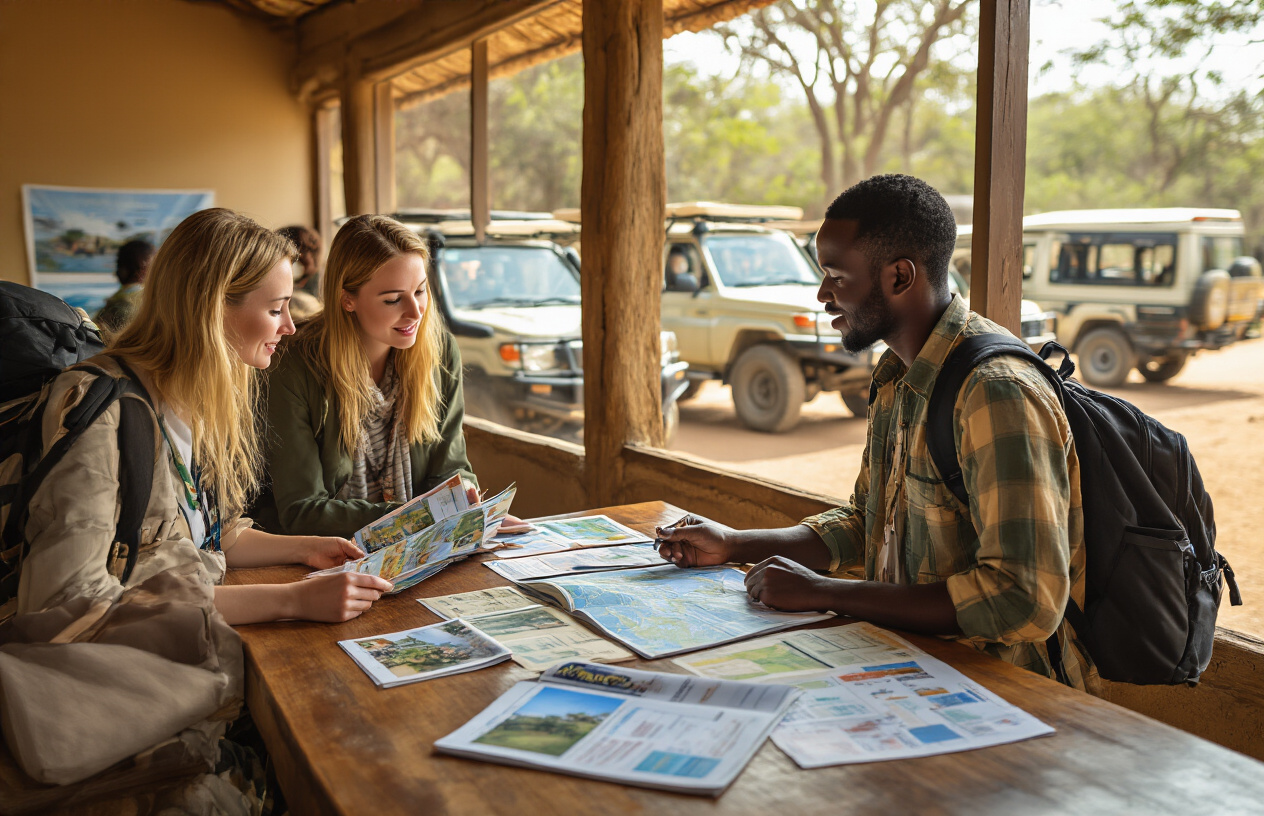
Join Group Safaris to Split Vehicle and Guide Costs
Group safaris offer the most budget-friendly way to experience East Africa’s wilderness. When you join other travelers, you’ll split the cost of a safari vehicle, professional guide, and park entrance fees among 4-8 people, cutting your expenses dramatically. Most group safaris cost 40-60% less than private tours, making them perfect for first-time safari-goers watching their budget.
Look for guaranteed departure tours through reputable operators who regularly organize group trips. These tours follow set itineraries and depart on specific dates, giving you predictable pricing and the chance to meet fellow adventurers. Many operators offer small group guarantees (usually 6 people maximum) that balance cost savings with personalized attention.
Book group safaris 3-6 months ahead for the best selection and pricing. Popular routes like the Northern Tanzania Circuit (Serengeti, Ngorongoro, Tarangire) and Kenya’s Masai Mara frequently have group departures year-round.
Compare Self-Drive Rental Options Versus Guided Tours
Self-drive safaris can save serious money if you’re comfortable behind the wheel and want maximum flexibility. Renting a 4WD vehicle costs $80-150 per day in Kenya and Tanzania, plus fuel and park fees. You’ll cover accommodation, meals, and camping fees separately, but total costs often run 30-50% less than guided tours.
| Option | Daily Cost (4 people) | Pros | Cons |
|---|---|---|---|
| Self-Drive | $120-200 | Complete freedom, lower cost | Need 4WD experience, navigation challenges |
| Guided Tour | $200-350 | Expert knowledge, no driving stress | Higher cost, fixed schedule |
Self-drive works best in Kenya’s well-marked parks like Amboseli and Lake Nakuru. Tanzania requires more paperwork and can be challenging for first-timers. Consider hybrid options where you rent a vehicle but hire a local guide for specific parks – you get expert wildlife spotting skills without paying for full guided tours.
Use Local Tour Operators Instead of International Companies
Local operators consistently offer better prices than international safari companies, often charging 20-40% less for identical trips. These family-run businesses know the terrain intimately and maintain strong relationships with camps, lodges, and local communities.
Research operators through online reviews, local tourism boards, and recommendations from other travelers. Established local companies like Shemeji Safari in Tanzania or Sens Afrika in Kenya provide excellent service at competitive rates. Many local operators offer personalized touches that big companies can’t match – think surprise sundowner stops or visits to community projects.
Always verify that local operators hold proper licenses and insurance. Check their vehicle maintenance standards and guide qualifications before booking. Direct communication with local operators also allows for custom itinerary tweaks that can save money while enhancing your experience.
Negotiate Package Deals That Include Multiple Parks
Multi-park packages deliver better value than booking individual destinations separately. Operators offer significant discounts when you commit to longer itineraries covering 3-4 parks. These packages typically include all transportation between parks, reducing your per-day costs substantially.
Target shoulder seasons (March-May, November) when operators actively seek bookings and offer more flexible pricing. Present operators with competitor quotes and ask them to match or beat pricing – many will negotiate to secure your business.
Package deals work especially well for first-time visitors wanting comprehensive East African experiences. Classic combinations like Serengeti-Ngorongoro-Tarangire or Masai Mara-Lake Nakuru-Amboseli provide diverse ecosystems and wildlife viewing while maximizing your transportation investment. Always clarify what’s included in package pricing to avoid surprise add-on costs.
Plan Smart Itineraries That Stretch Your Budget
Focus on fewer parks for deeper exploration and lower costs
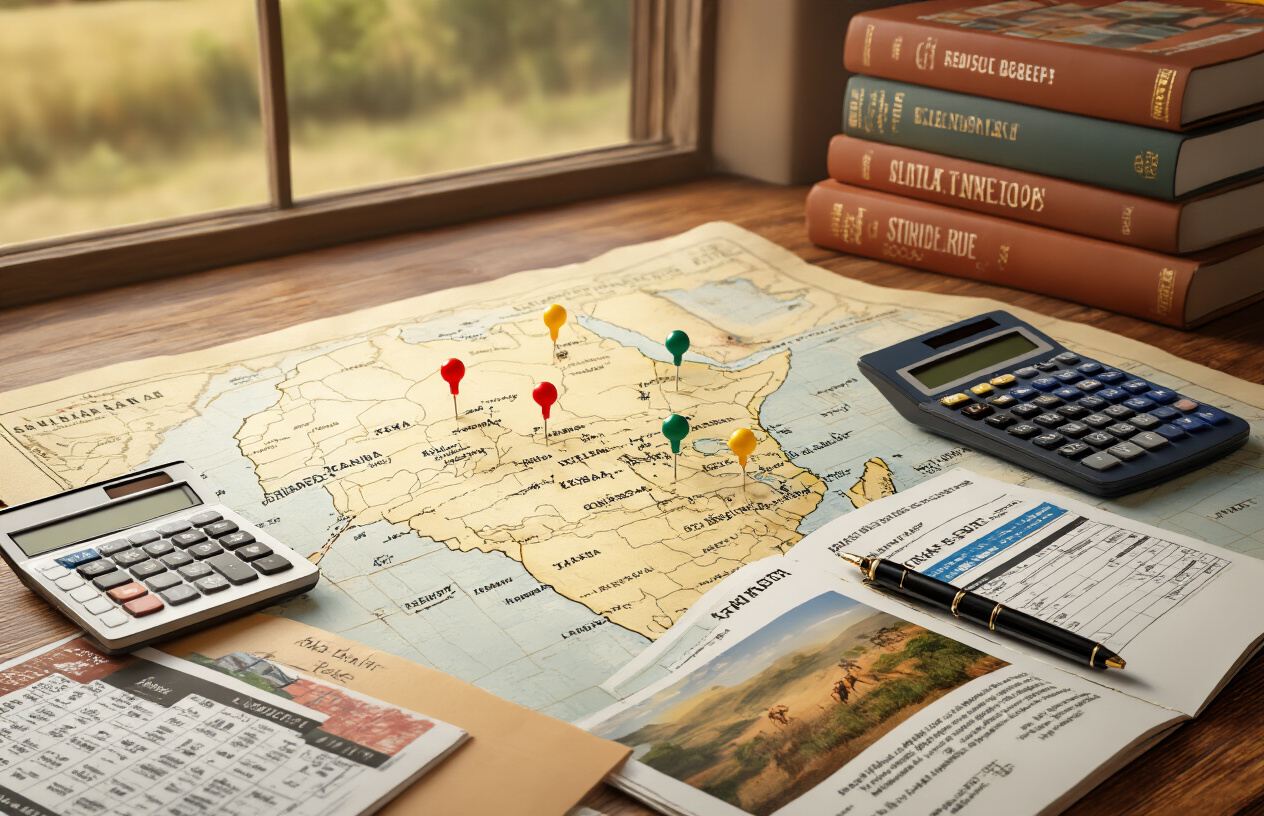
Visiting three parks costs significantly less than rushing through six. When you concentrate on fewer destinations, you save money on multiple park fees, reduce transportation costs, and eliminate the stress of constantly packing and moving. A well-planned itinerary focusing on 2-3 carefully selected parks allows for meaningful wildlife encounters and better photography opportunities.
Consider spending three days in Serengeti and two days in Ngorongoro Crater instead of one day each across five different parks. This approach gives you multiple game drives in each location, increasing your chances of witnessing rare animal behaviors and seasonal migrations. You’ll also develop a better understanding of each ecosystem’s unique characteristics.
Park entrance fees typically range from $50-70 per day per park. By reducing the number of parks from five to three, you immediately save $100-140 per person on fees alone. Add transportation savings, and the total reduction can reach $200-300 per person for a week-long safari.
Combine wildlife viewing with cultural experiences
Local cultural experiences often cost a fraction of additional game drives while providing authentic insights into East African traditions. Many Maasai villages offer guided visits for $15-25 per person, compared to $150-200 for extra game drives. These interactions create lasting memories and support local communities directly.
Schedule cultural visits during midday breaks when wildlife activity is minimal. Animals rest during the hottest hours, making this the perfect time for village visits, traditional cooking classes, or craft workshops. This timing maximizes your safari value without sacrificing prime wildlife viewing opportunities.
Consider these budget-friendly cultural activities:
- Traditional bead-making workshops ($10-15)
- Local market visits with guides ($5-10)
- Community-based conservancy tours ($20-30)
- Traditional dancing performances ($15-25)
- Authentic home-cooked meals ($8-12)
Allocate more days to free activities like nature walks
Many parks offer guided nature walks at no additional cost beyond your park entrance fee. These walks reveal smaller wildlife, medicinal plants, and tracking techniques that vehicle-based safaris often miss. Walking safaris provide intimate connections with the environment and create unique photographic opportunities.
National parks like Lake Manyara and Arusha offer excellent walking trails with resident guides included in your park fees. These activities can easily fill 2-3 hours and complement your game drives beautifully. Some lodges also provide complimentary guided walks around their properties, featuring local bird species and smaller mammals.
Free activities that enrich your safari experience include:
- Early morning bird watching sessions
- Sunset viewing from designated scenic points
- Stargazing with basic astronomy guidance
- Nature photography workshops
- Wildlife tracking lessons
- Plant and tree identification walks
Plan logical routes to minimize expensive internal flights
Domestic flights between parks can cost $150-400 per person per segment. Smart route planning eliminates these expenses by creating logical driving circuits. The Northern Circuit in Tanzania, for example, allows you to drive between Tarangire, Lake Manyara, Serengeti, and Ngorongoro without backtracking.
Design your itinerary to flow geographically rather than jumping between distant locations. Start with parks closer to your arrival airport and work your way systematically through the region. This approach reduces driving time, fuel costs, and vehicle wear, which tour operators often pass on to clients.
| Route Type | Cost per Person | Travel Time | Flexibility |
|---|---|---|---|
| Overland Circuit | $50-100 | 2-6 hours | High |
| Internal Flights | $150-400 | 1-2 hours | Low |
| Mixed Approach | $100-250 | Varies | Medium |
Consider flying only for long distances exceeding 8-10 hours of driving, such as between Kenya’s Maasai Mara and Tanzania’s Serengeti. For shorter distances, road transfers often prove more economical and provide additional wildlife spotting opportunities during travel days.
Secure the Best Safari Deals and Discounts
Book directly with local operators for better rates
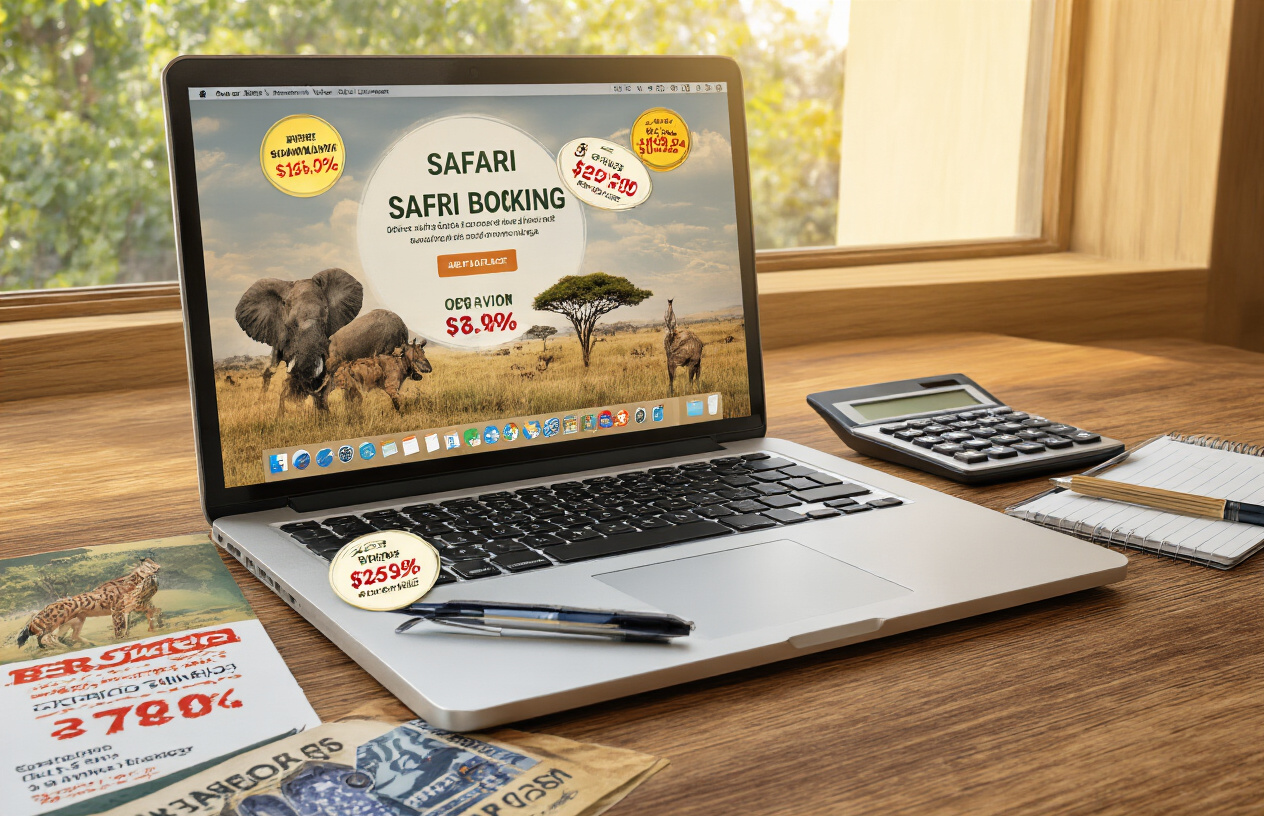
Cutting out the middleman can save you hundreds of dollars on your East African safari. Local tour operators work directly with parks, lodges, and guides, allowing them to offer significantly lower prices than international booking agencies that add hefty commissions. These operators understand their territories intimately and can customize experiences that larger companies simply can’t match.
Research operators based in Kenya, Tanzania, or Uganda rather than booking through your home country. Many established local companies have been family-run for generations and maintain excellent relationships with park authorities and accommodation providers. They often secure preferential rates that they pass along to travelers who book directly.
Contact operators via email or phone to discuss your requirements. Most are happy to create personalized quotes that exactly match your budget and interests. This direct communication also allows you to ask specific questions about vehicle conditions, guide experience, and what’s truly included in your package.
Look for early bird discounts and group booking incentives
Safari operators typically offer substantial early bird discounts ranging from 10-25% for bookings made 6-12 months in advance. These savings can amount to thousands of dollars, especially for multi-day adventures or peak season travel. Many operators also provide additional perks like free airport transfers or upgraded accommodations for early bookings.
Group discounts present another excellent opportunity to reduce costs. Most operators offer reduced per-person rates for groups of 4-6 people sharing vehicles and accommodations. Even if you’re traveling as a couple, consider joining existing small groups or connecting with other travelers through safari forums and social media groups.
| Booking Timeline | Typical Discount | Additional Benefits |
|---|---|---|
| 12+ months ahead | 20-25% | Free upgrades, transfers |
| 6-12 months ahead | 10-20% | Flexible date changes |
| 3-6 months ahead | 5-15% | Package add-ons |
| Last minute | Variable | Depends on availability |
Use comparison websites to find competitive packages
Safari comparison platforms like SafariBookings, Go2Africa, and local sites aggregate offerings from multiple operators, making it easy to compare prices, inclusions, and reviews side by side. These platforms often feature exclusive deals and package combinations that individual operators don’t advertise elsewhere.
Read reviews carefully, focusing on recent feedback about guides, vehicles, and actual experiences rather than just star ratings. Pay attention to what’s included in each package – some seemingly cheaper options exclude crucial items like park fees, meals, or bottled water that can add up quickly.
Create alerts on multiple comparison sites for your preferred destinations and travel dates. Prices fluctuate based on availability and seasonal demand, so monitoring regularly can help you spot temporary price drops or flash sales.
Negotiate extras like airport transfers and park fees inclusion
Safari packages often list basic services while charging separately for essentials like airport transfers, park entrance fees, and bottled water. These add-ons can increase your total cost by 20-30%, so negotiate their inclusion upfront rather than paying separately.
Airport transfers alone can cost $50-100 each way, while daily park fees range from $50-80 per person in popular destinations like Serengeti or Masai Mara. When booking directly with operators, request that these items be bundled into your package price for a comprehensive quote.
Many operators are willing to include extras when competing for your business, especially during slower seasons or for longer itineraries. Ask specifically about complimentary bottled water, lunch on travel days, and emergency evacuation insurance. These small additions enhance your experience while keeping surprise costs at bay.
Don’t hesitate to mention competing quotes when negotiating. Local operators want your business and often match or beat competitor prices while adding value through better service or additional inclusions.
Planning your first East African safari doesn’t have to drain your savings account. By choosing budget-friendly destinations, timing your trip during shoulder seasons, and selecting mid-range accommodations that offer great value, you can experience incredible wildlife encounters without the premium price tag. Smart transportation choices and well-planned itineraries help stretch every dollar while still delivering those once-in-a-lifetime moments you’re dreaming about.
The key to an affordable safari lies in doing your homework and being flexible with your travel dates. Hunt for deals, compare different tour operators, and don’t be afraid to mix camping with lodge stays to balance comfort and cost. Your East African adventure is waiting – and with these strategies, you can make it happen sooner than you think without compromising on the magic of seeing lions roam the Serengeti or gorillas in their mountain homes.
🌍 PROBE AFRICA SAFARIS
Affordable • Authentic • Unforgettable
Your Dream East African Safari Starts Here
Experience the beauty of Africa without breaking your budget. From thrilling wildlife encounters to breathtaking landscapes, we create unforgettable safari experiences tailored just for you.
Whether you’re dreaming of the Big Five, the Great Migration, or gorilla trekking — we make it happen, affordably.
📞 Call / WhatsApp
(+254) 741 017 793 | 706 265 710
📧 Email
info@probeafricasafaris.com
probeafricasafarisltd@gmail.com
🌐 Website
www.probeafricasafaris.com